Kevin Warsh Is Now Chair of the Federal Reserve as Powell's Term Ends Today — Inheriting Inflation Above Target and a Rate Hike on the Table

Federal Open Market Committee (FOMC)
The body within the Federal Reserve responsible for setting US interest rate policy. It meets roughly eight times a year and votes on the federal funds rate target — the benchmark rate that influences borrowing costs across the entire economy.
Federal funds rate
The interest rate at which US banks lend money to each other overnight. Set by the Federal Reserve, it is the key lever of US monetary policy — higher rates cool inflation by raising borrowing costs; lower rates stimulate growth.
Kevin Warsh
A former Federal Reserve governor (2006-2011) and investment banker, nominated by President Trump to succeed Jerome Powell as Fed chair. He was confirmed by the Senate on 13 May 2026 and officially took office on 15 May 2026.
NPR
news · May 13, 2026
Senate confirms Kevin Warsh as next chair of the Federal Reserve
NPR
news · Apr 29, 2026
Jerome Powell to remain on Fed's board after stepping down as chair
CNN Business
news · May 13, 2026
Kevin Warsh confirmed as Fed chair, succeeding Jerome Powell
New era begins
Warsh becomes 17th Fed chair today as Powell's term expires — confirmed 54-45 by the Senate
Rates on hold
Funds rate stays at 3.50%-3.75%; earliest cuts now forecast for mid-2027 at the earliest
Hike risk rising
38% market probability of a December rate hike — up from 21% earlier this month
Kevin Warsh officially became the 17th chair of the Federal Reserve on 15 May 2026, the day Jerome Powell's second four-year term as chair expired.12 The Senate confirmed Warsh two days earlier on a 54-45 vote, largely along party lines, with Democrat John Fetterman of Pennsylvania joining all Republicans to approve President Trump's nominee.34 Powell, in an unusual break with precedent, will not leave the central bank entirely — he confirmed he intends to remain as a member of the Fed's Board of Governors until his concurrent governor's term expires in 2028, creating a historically rare situation in which a former chair continues as a voting member under his successor.25
Warsh inherits a Federal Reserve at one of the most complicated junctures in its recent history. Inflation has remained above the Fed's 2% target for more than five years, and the April consumer price index reading — released earlier this week — came in at 3.8% year-on-year, above the 3.7% economists had forecast and the highest reading since May 2023.67 Far from cutting interest rates as Trump's allies had hoped when they championed Warsh's nomination, analysts now say the new chair may be forced to consider a rate hike before any cuts become possible.89
Trump nominated Warsh, a former Federal Reserve governor who served on the Board from 2006 to 2011, primarily with the expectation that he would move faster than Powell to reduce interest rates, which the administration believes have constrained growth and weighed on mortgage costs for homeowners.410 Warsh signalled some openness to rate cuts during his confirmation process, and Trump allies were vocal about their desire for looser monetary policy ahead of the 2026 midterm elections.
However, Warsh's record during his earlier tenure at the Fed was that of a hawkish member who consistently favoured tighter monetary policy and was sceptical of quantitative easing during the post-2008 recovery period.93 That history, combined with the current inflation environment, has led markets and economists to conclude that rate cuts are unlikely in 2026. The consensus among forecasters is that the earliest any rate reduction could arrive is mid-2027, and only if inflation retreats meaningfully toward the 2% target.68
At the Fed's last rate-setting meeting in April, three members of the Federal Open Market Committee indicated that their next move could as easily be a rate increase as a cut — an unusually hawkish signal that sent bond markets lower.79 As of 15 May, the probability of a 25-basis-point rate hike by December 2026 — as priced by futures markets — had risen above 38%, up from around 21% earlier in the month.7
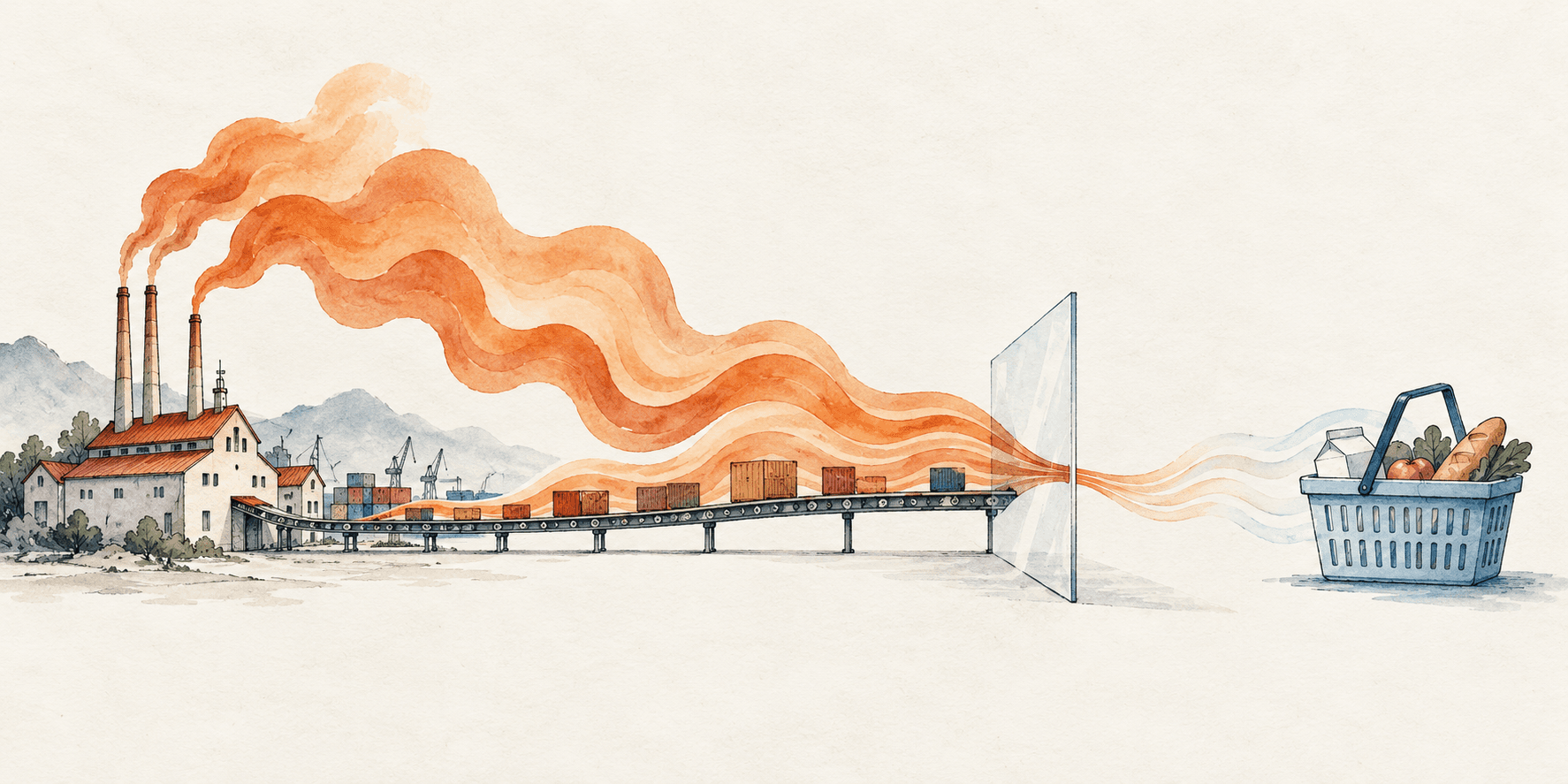
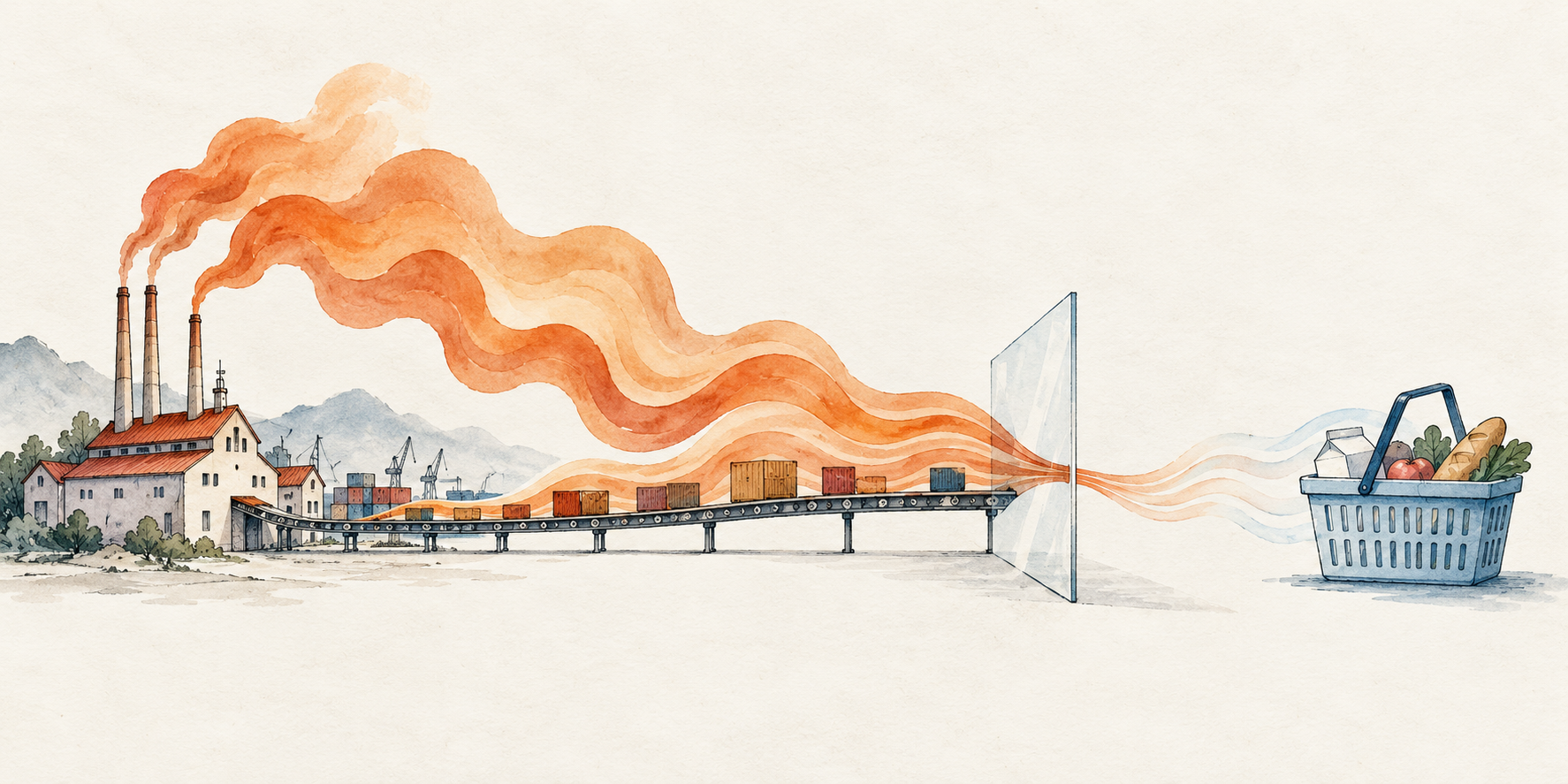
The pressures driving that probability higher are structural. Energy prices have spiked as the ongoing US-Iran conflict disrupts tanker traffic through the Strait of Hormuz, feeding through to petrol costs and broader goods prices.86 Tariffs on Chinese and other imported goods continue to add cost pressure to supply chains. And wages have remained elevated by historical standards despite some cooling in the labour market. All three factors push in the same direction: upward on prices, complicating the case for easing.9
Warsh has been careful in public statements not to pre-commit to a specific rate path, emphasising instead his commitment to the Fed's price stability mandate and his belief in clear communication and institutional credibility.34 He has spoken about the importance of the Fed's independence, a notable signal given the political pressure from the Trump administration for lower rates. Markets will watch his first press conference as chair — likely following the June 16-17 FOMC meeting — for any signals about how he intends to weigh growth concerns against the inflation environment he has inherited.810




Comments