Lords appoints six peers to scrutinise draft Conversion Practices Bill
Pre-legislative scrutiny
A parliamentary process in which a committee examines a draft bill before the government introduces a formal bill.
Joint committee
A committee made up of members from both the House of Commons and the House of Lords.
CP 1604
The command paper number for the government’s draft Conversion Practices Bill, presented to both Houses on 25 June 2026.
Protection order
A civil order intended to restrict conduct or impose conditions to protect a person from a specified risk.
UK Parliament — House of Lords Business
government
Appointment of Joint Committee: Draft Conversion Practices Bill
UK Parliament — House of Lords Business
government
Order Paper for 17 September 2026 — House of Lords Business
UK Parliament — Hansard
government
Draft Conversion Practices Bill — Hansard, House of Lords, 17 September 2026
Six peers
The Lords appointed Browning, Brown of Silvertown, Hope of Craighead, Isaac, Prentis of Banbury and Scriven to the joint committee.
January deadline
The committee is due to report on the draft Conversion Practices Bill by 22 January 2027.
Criminal offences
The draft bill would create offences covering abusive conversion practices in England and Wales and provide for civil protection orders.
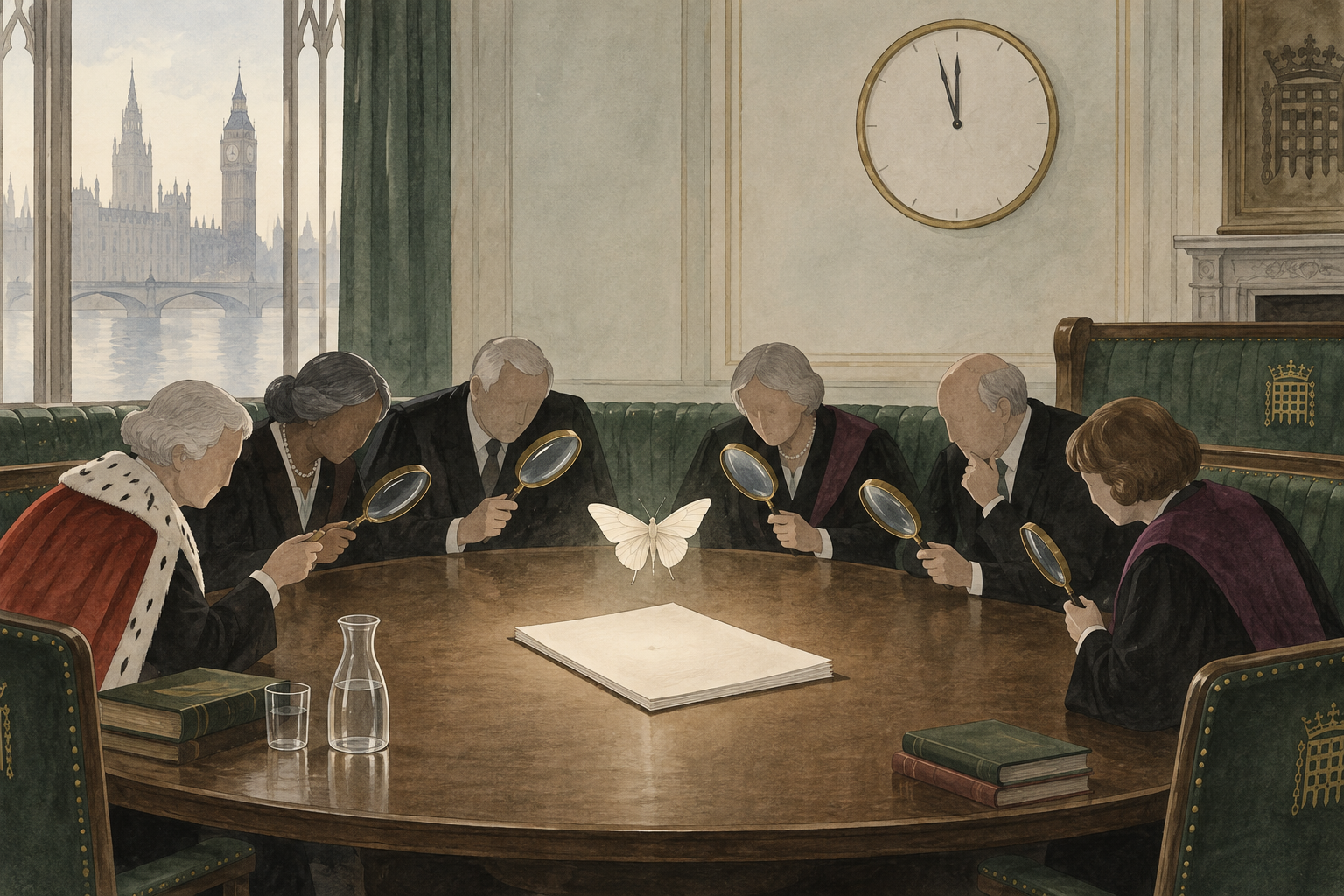
The House of Lords has appointed six peers to join a Commons committee scrutinising the government’s draft Conversion Practices Bill, moving the proposed ban on abusive conversion practices into its next formal parliamentary phase before ministers decide whether to introduce legislation.3
The joint committee will examine CP 1604, the draft bill presented to both Houses on 25 June, and is due to report by 22 January 2027.1 Its work is likely to shape whether the government tightens, narrows or clarifies the bill before introduction, particularly on criminal thresholds, healthcare safeguards and protections for LGBT+ people.
The Lords members are Baroness Browning, Baroness Brown of Silvertown, Lord Hope of Craighead, Lord Isaac, Baroness Prentis of Banbury and Lord Scriven.1 Hansard records that the membership motion was moved at 12.00pm on 17 September and agreed without a division.3
The appointment gives the joint committee powers to send for people, papers and records, appoint specialist advisers, report from time to time, travel within the United Kingdom and publish evidence if it chooses.1 The quorum for the Lords side of the committee is two.1
Those powers matter because the draft bill has not yet begun the normal legislative passage through either House. Pre-legislative scrutiny allows parliamentarians to test the government’s wording before ministers settle on a final bill. For Westminster policy readers, the key point is that the committee’s report may shape the version later introduced, rather than merely comment on legislation already committed to the parliamentary timetable.
The Lords order paper for 17 September listed the membership motion as chamber business for that sitting day, confirming the procedural step that put the Lords members in place.2 The daily Hansard index also records the Draft Conversion Practices Bill as an item in Lords Chamber proceedings for 17 September.4
The Commons was not sitting on 17 September and was next scheduled to sit on 12 October, making the joint committee process the immediate parliamentary venue for detailed scrutiny rather than ordinary Commons chamber business.6
The draft bill would create offences covering abusive conversion practices in England and Wales and provide for civil conversion practice protection orders. The central policy question for the committee is how to draw enforceable criminal lines without chilling legitimate healthcare, pastoral support, family conversations or therapeutic discussion.
That balance is likely to dominate evidence from legal specialists, clinicians, LGBT+ organisations, faith groups, safeguarding bodies and free-speech advocates. The committee’s powers to gather evidence and appoint advisers give it scope to examine whether the draft text is workable for police, prosecutors, courts, regulators and frontline services.1
Likely areas of contention include the level of harm required before conduct becomes criminal, how intent or purpose is proved, how civil protection orders would operate before or after criminal proceedings, and whether healthcare provisions are sufficiently clear. Supporters of a stronger ban are likely to press for comprehensive protection for LGBT+ people, while critics may argue for clearer safeguards around regulated clinical practice and consensual conversations.
The 22 January 2027 reporting deadline gives the committee just over four months from the Lords appointment to take evidence, deliberate and produce recommendations.1 That timetable means ministers could receive findings early enough to decide whether to revise the draft bill before seeking a slot for formal legislation later in the session.
The process also creates a public evidence trail. The motion gives the committee permission to publish evidence if it wishes, potentially exposing where the draft text commands consensus and where it remains vulnerable to legal or political challenge.1
One procedural detail differs across the parliamentary records: the Lords business item refers to consideration of a Commons message of 10 September, while the Hansard record of the agreed motion refers to a Commons message of 14 September.13 Both records confirm the same substantive step: the appointment of six Lords members to join the Commons-appointed committee and report on CP 1604 by 22 January 2027.
The committee’s conclusions will not themselves enact a ban. But they may determine whether the government’s promised conversion practices legislation emerges as a tightly drawn criminal measure, a broader protective regime, or a revised bill seeking to resolve concerns before the political and legal pressures of full parliamentary passage begin.






Comments