Brazil’s tight runoff outlook turns election into institutional test

Margin of error
A statistical range showing how much poll results may vary; in this BTG/Nexus poll it was two percentage points, making the 46%-44% runoff scenario a technical tie.
Runoff
A second-round vote held if no candidate secures the required first-round majority; Brazil’s runoff would decide the presidency if the October 4 vote is inconclusive.
TSE
Brazil’s Superior Electoral Court, the institution responsible for organizing elections, registering polls and overseeing electoral rules.
Rejection rate
The share of voters who say they would not vote for a candidate under any circumstances, an important measure in polarized races.
Reuters via MarketScreener
news
Brazil's Lula widens first-round lead, remains tied with Bolsonaro in runoff polls
UOL
news
BTG/Nexus: Lula está 5 pontos à frente de Flávio Bolsonaro no 1º turno; há empate no 2º
TVT News
news
Pesquisa para presidente: Lula tem 42% e Flávio, 37% no 1º turno; no 2° Lula x Flávio: 46% a 44%
Untracked bias
Exame
BTG/Nexus: A 6 dias das eleições, Lula abre 5 pontos de vantagem sobre Flávio Bolsonaro
UOL / Agência Estado
Lula tem 46% ante 44% de Flávio no 2º turno, aponta pesquisa BTG/Nexus
GP1
Nexus/BTG Pactual: Lula tem 46% e Flávio Bolsonaro aparece com 44% em eventual segundo turno
Brasil Paralelo
Flávio oscila um ponto e segue em empate técnico com Lula na pesquisa Nexus/BTG
Bias and factuality ratings from Media Bias Fact Check. Outlets without a rating are marked “Untracked.”
Runoff tie
BTG/Nexus put Lula at 46% and Flávio Bolsonaro at 44% in a simulated runoff, within the two-point margin of error.
First-round gap
Lula led the first round with 42% support to Bolsonaro’s 37%, widening his lead from the prior BTG/Nexus survey.
High rejection
Flávio Bolsonaro was rejected by 51% of voters and Lula by 48%, according to the same poll.
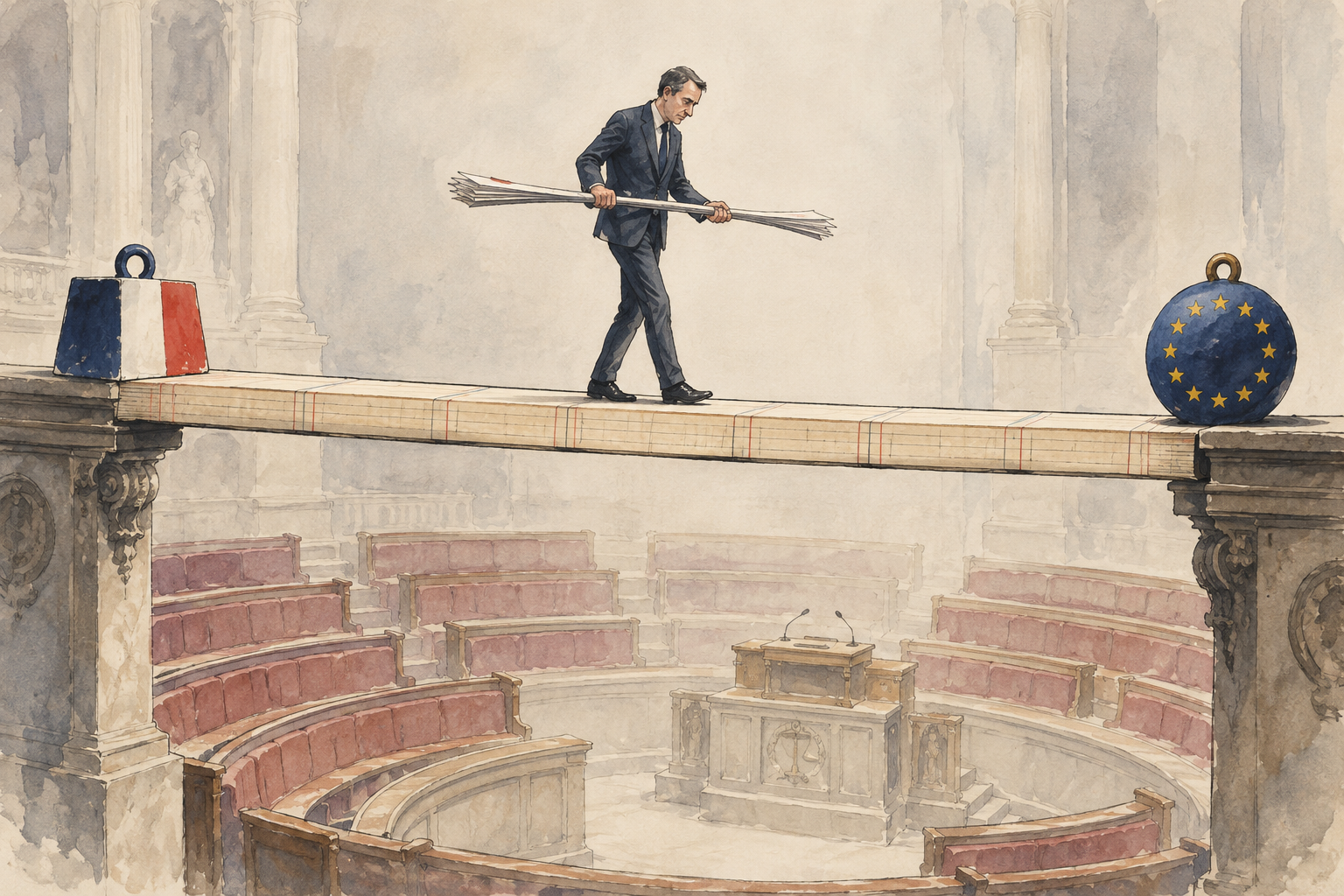
President Luiz Inácio Lula da Silva enters the final week before Brazil’s October 4 first-round presidential vote with a clearer lead over Senator Flávio Bolsonaro. But the race is still poised to become an institutional stress test if it moves to a narrow runoff.
A BTG Pactual/Nexus poll released Monday showed Lula with 42% support in the first round, five points ahead of Flávio Bolsonaro at 37%, Reuters reported. In a simulated runoff, however, Lula led Bolsonaro 46% to 44%, a two-point gap within the survey’s margin of error.1 UOL reported that the poll was conducted by telephone from September 25 to 27 among 2,000 voters, with a margin of error of two percentage points and registration number BR-07557/2026 at Brazil’s Superior Electoral Court, or TSE.2
The figures suggest Brazil’s campaign is shifting from polling volatility to a more consequential question: whether political actors, electoral authorities and voters will accept a potentially close result in a deeply polarized environment.
Lula’s first-round position improved from the previous BTG/Nexus survey, when he had 40% and Flávio Bolsonaro had 37%. The latest poll put Lula at 42%, while Bolsonaro remained unchanged, widening the president’s lead from three to five points.2 Reuters said the prior September 21 survey also showed a tight runoff, with Lula at 46% and Bolsonaro at 45%.1
The pollster’s September 21 release described the race as competitive and already close in a second-round scenario, with Lula at 46% and Flávio Bolsonaro at 45%. It also found that voter preferences were hardening: 84% of those who had chosen a first-round candidate said their decision was already made.5
That consolidation appears to have increased. TVT News, citing the latest BTG/Nexus round, reported that 87% of voters who declared a first-round preference said their decision was final, while 12% said they could still change their vote.3 The combination of a wider first-round gap and a statistically tied runoff means the decisive terrain may be less about persuading large numbers of undecided voters than about turnout, vote transfers and confidence in the count.
The same poll underscores the level of mutual rejection between the two leading political camps. O Povo, citing Agência Estado, reported that Flávio Bolsonaro was rejected by 51% of voters and Lula by 48%, making them the two most rejected names in the survey.4
The cross-vote data point to a divided electorate: 44% said they could vote for Lula but not Flávio Bolsonaro, while 41% said they could vote for Flávio Bolsonaro but reject Lula. Only 5% said they could vote for both, and 7% said they would vote for neither.4
That leaves a narrow runoff vulnerable to competing narratives of legitimacy. A two-point polling margin does not predict the final result, but it signals the possibility of a second-round outcome close enough for losing-side mobilization, legal challenges or misinformation campaigns to become central to the post-election period.
Brazil’s electoral authorities have emphasized voter information and disinformation response ahead of the vote. The TSE said its official WhatsApp channel provides alerts, election service updates, voting rules and fact-checking, and had nearly 70,000 followers as of September 21.7 The court described the tool as part of its effort to combat disinformation and distribute official election information.7
The issue has also moved into Lula’s international messaging. At the United Nations on September 22, Lula warned against foreign interference in countries’ internal affairs, in remarks AP reported in the context of electoral processes and democratic sovereignty.6 His comments reflected a broader concern that the legitimacy of Brazil’s vote may be contested not only through domestic polarization but also through online narratives about outside influence, disinformation and the neutrality of institutions.
Public opinion data show a fragile backdrop for such a test. Pew Research Center found that 37% of Brazilian adults were satisfied with the way democracy was working in spring 2026, while 59% were not. Pew also reported that 68% lacked confidence in elected officials to act in the public interest.8
If the election advances to a runoff between Lula and Flávio Bolsonaro, the contest would carry institutional stakes beyond the presidency. A close result would put pressure on the TSE’s vote-tabulation process, political parties’ acceptance of official results and the ability of courts, Congress and security authorities to contain false claims or unrest.
The current polling does not show a decisive second-round advantage for either side. It shows a country moving toward election day with a leading incumbent, a resilient Bolsonaro family candidacy and a polarized electorate that has largely chosen sides.
That makes the October 4 first round not just a test of campaign strength, but a preview of whether Brazil’s institutions can manage a close and contested democratic decision without allowing the legitimacy of the process to become the central battleground.





Comments