China sanctions Belize, Paraguay ministers over Taiwan ties
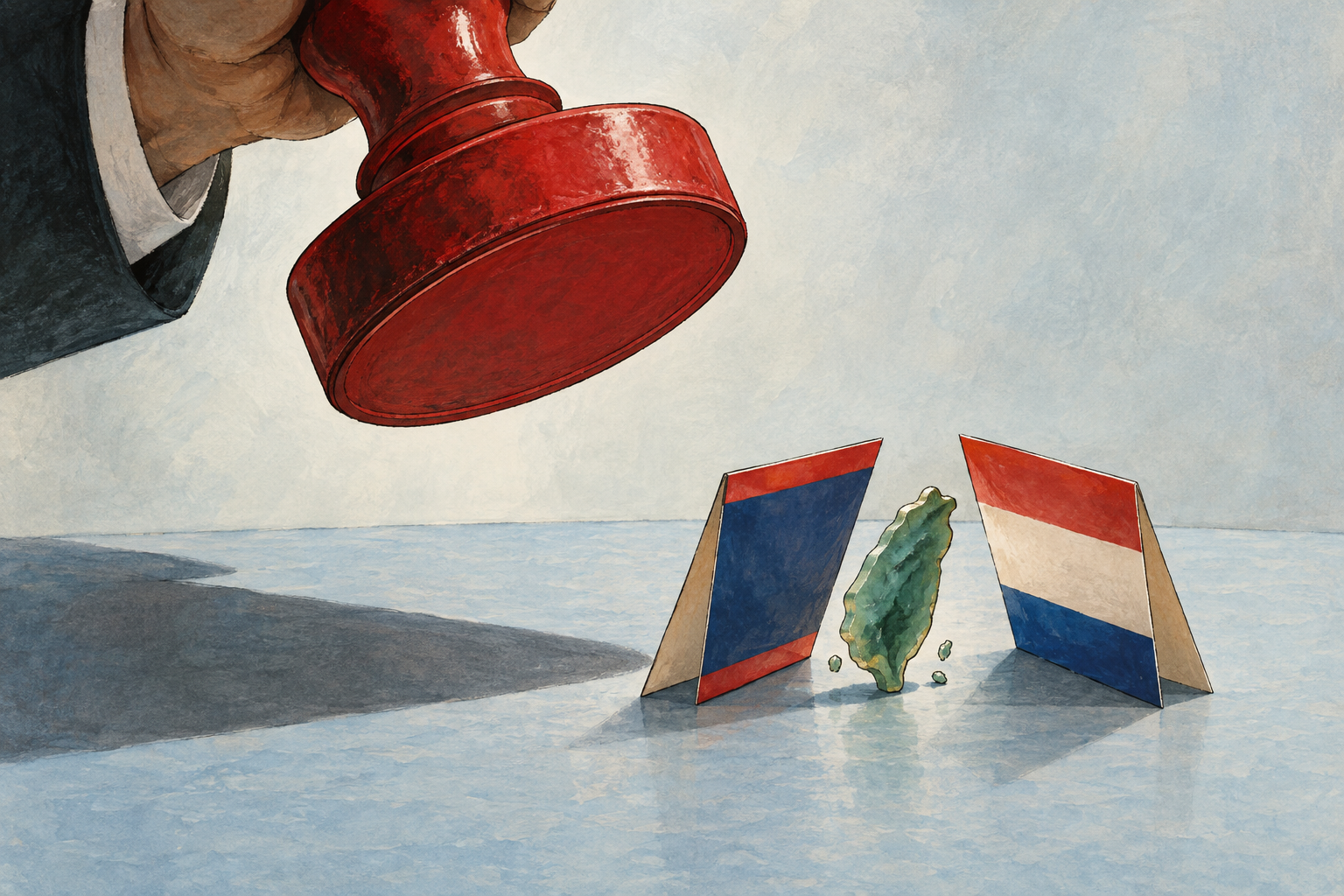
One-China principle
Beijing’s position that there is only one China and that Taiwan is part of it; China uses this principle to oppose official foreign relations with Taipei.
Diplomatic recognition
Formal recognition determines whether a country maintains official state-to-state relations with Taiwan or with the People’s Republic of China.
Targeted sanctions
Penalties aimed at specific people or entities, often including travel bans, asset freezes and restrictions on transactions.
National Day address
Taiwan’s annual October 10 presidential speech, often watched closely by Beijing for signals about Taipei’s position on sovereignty and cross-strait relations.
Focus Taiwan / Central News Agency
news
Taiwan condemns China over sanctions on ministers of diplomatic allies
Ministry of Foreign Affairs of the People's Republic of China
government
关于对巴拉圭通信和技术部长比利亚特采取反制措施的决定
Ministry of Foreign Affairs of the People's Republic of China
government
关于对伯利兹外交、外贸、教育、文化、科学和技术部长丰塞卡采取反制措施的决定
Untracked bias
100% of tracked sources are High factuality
Bias and factuality ratings from Media Bias Fact Check. Outlets without a rating are marked “Untracked.”
Two ministers
China sanctioned Belize Foreign Minister Francis Fonseca and Paraguay communications minister Gustavo Villate on October 12.
Targeted penalties
The measures include entry bans, asset freezes and transaction restrictions covering mainland China, Hong Kong and Macau.
Pressure shift
The sanctions point to a broader Chinese effort to pressure Taiwan through penalties on officials from its remaining diplomatic allies.
China imposed sanctions Monday on Belize Foreign Minister Francis Fonseca and Paraguay communications and technology minister Gustavo Emigdio Villate Samaniego, escalating pressure on two governments that maintain formal diplomatic relations with Taiwan.235
The measures, announced by China’s Foreign Ministry on October 12, ban the two ministers from entering mainland China, Hong Kong and Macau; freeze any assets they hold in China; and prohibit Chinese organizations and individuals from transactions or cooperation with them.23 Beijing said the sanctions were retaliation for actions it described as support for Taiwan independence and violations of the one-China principle.4
Taiwan condemned the move as coercive pressure on its diplomatic allies, saying Beijing was trying to intimidate sovereign governments over their relations with Taipei.16 The timing added significance: the sanctions followed Beijing’s criticism of President Lai Ching-te’s National Day address, in which Taiwan’s government rejected China’s claims and defended Taiwan’s international engagement.10
Belize and Paraguay are among the small group of states that still recognize Taipei rather than Beijing. Paraguay is Taiwan’s only diplomatic partner in South America. Belize is one of its partners in Central America and the Caribbean, a region where Beijing has steadily persuaded governments to switch recognition in recent years.78
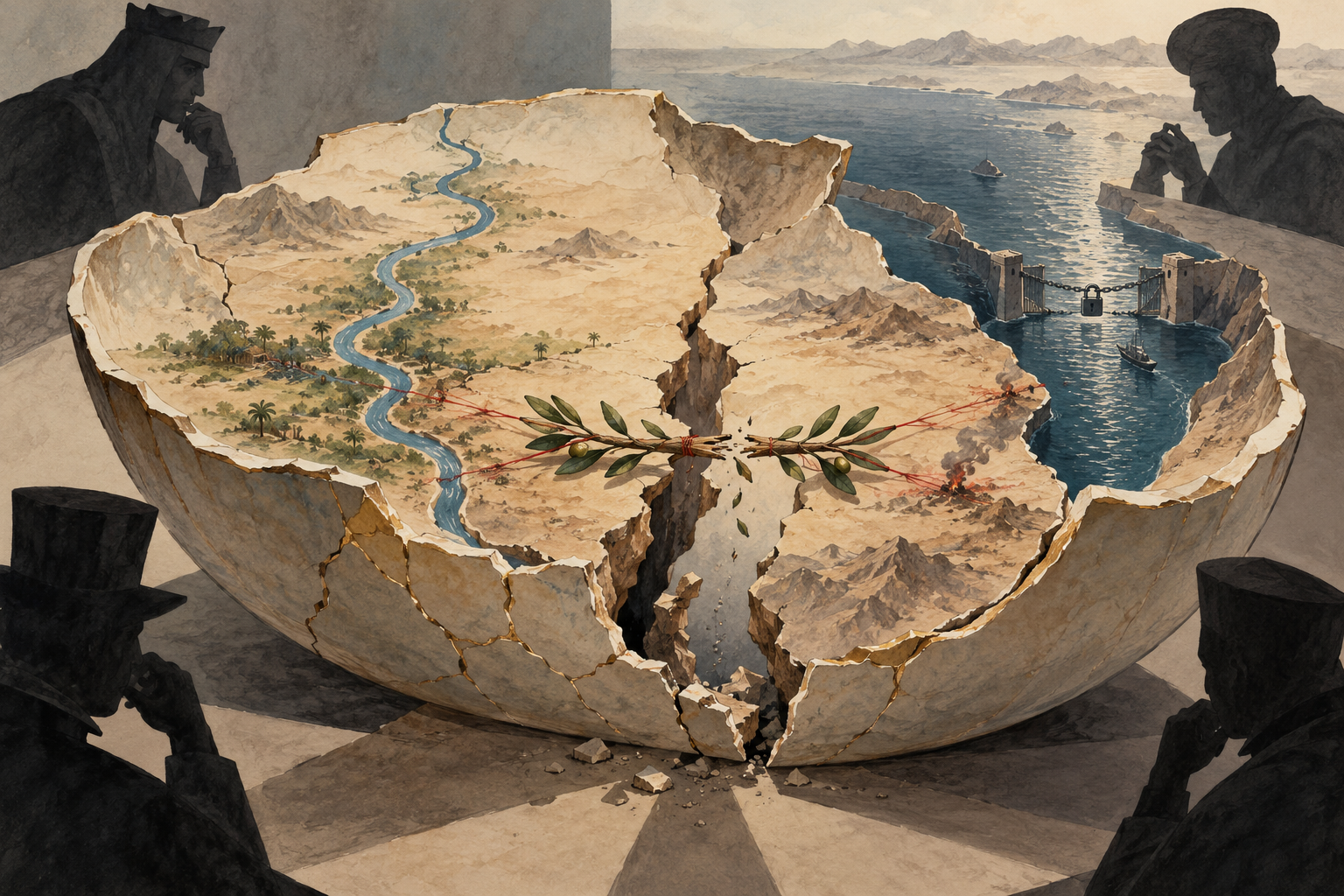
China has long used diplomatic isolation as a central part of its Taiwan strategy. But Monday’s measures point to a more individualized approach: instead of only pressuring governments to cut ties with Taipei, Beijing is naming and penalizing specific officials who engage with Taiwan.59
The sanctions are unlikely to have major immediate economic effects unless the ministers hold assets in China or depend on travel there. Reuters reported that such measures are largely symbolic, but they mark a notable use of targeted penalties against officials from countries that formally recognize Taiwan.9 Their practical weight lies in the message to other governments: senior officials who deepen ties with Taipei may face personal costs.
At a regular press briefing Monday, Chinese Foreign Ministry spokesperson Mao Ning said the countermeasures were tied to the officials’ interactions with Taiwan and accused them of supporting separatist activities.4 Separate Chinese-language ministry decrees named Villate and Fonseca and detailed the restrictions against them.23
Beijing views Taiwan as part of China and opposes official contact between Taipei and foreign governments. Taiwan rejects Beijing’s sovereignty claim and says only its people can decide the island’s future. That disagreement has intensified the contest over Taiwan’s remaining formal diplomatic partners, many of them small or middle-income states vulnerable to pressure, inducements or both.
The sanctions came two days after Taiwan’s National Day on October 10, when Lai used his speech to emphasize Taiwan’s democratic identity and international partnerships. Taiwan’s Foreign Ministry later rejected Beijing’s criticism of the speech, saying China had no right to represent Taiwan internationally or dictate its political future.10
Taiwan’s Foreign Ministry said China’s sanctions against the Belizean and Paraguayan ministers amounted to coercion and transnational repression aimed at countries that maintain relations with Taipei.1 In a separate Chinese-language statement reported by Central News Agency, Taiwan accused Beijing of interfering in other countries’ sovereignty and diplomacy.6
The response reflects Taipei’s concern that Beijing is trying to raise the cost of engagement not only for Taiwan, but also for third-country officials who visit, meet or publicly support Taiwanese leaders. That pressure is especially sensitive for Taiwan’s diplomatic allies, whose recognition carries political value for Taipei despite limited economic scale.
For Taiwan, each formal partner helps support its argument that it has a legitimate international presence separate from the People’s Republic of China. For Beijing, reducing that number remains a visible way to reinforce its claim that Taiwan has no right to state-to-state relations.
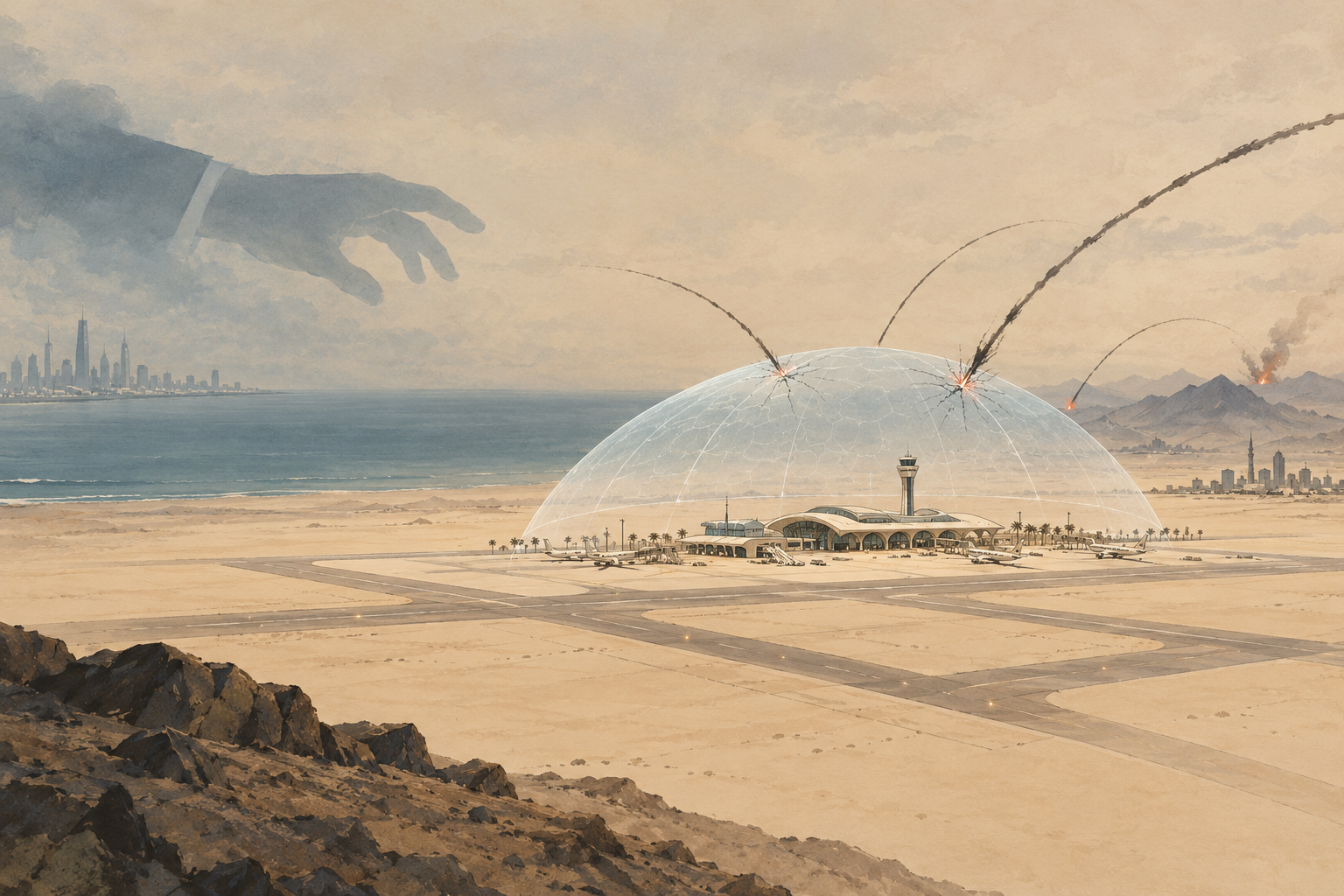
China’s Taiwan pressure campaign has often been measured through military activity: warplanes crossing the Taiwan Strait median line, naval drills and exercises around the island after high-level political moments. The sanctions against Fonseca and Villate do not replace that military track, but they add another tool aimed at foreign political elites.
Analysts and regional coverage described the move as part of Beijing’s continued effort to isolate Taiwan and deter official engagement with Taipei.78 The Associated Press said the measures fit a wider pattern of Chinese pressure on Taiwan’s diplomatic allies.5
That shift matters because it targets the decision-makers who help sustain Taiwan’s international relationships. Even when sanctions are mostly symbolic, they can complicate travel, business dealings and political calculations for officials in countries weighing the benefits and costs of ties with Taipei.
For Belize and Paraguay, the immediate question is whether Beijing’s move hardens support for Taiwan or prompts domestic debate over the price of recognition. For Taiwan, the sanctions are a warning that the next phase of Chinese pressure may focus not only on the island’s airspace and waters, but also on the personal and diplomatic exposure of the officials who keep its formal partnerships alive.


Comments