China uses Xiangshan Forum to press its security vision as Japan tensions simmer

Beijing Xiangshan Forum
China’s major annual defence and security conference, often viewed as Beijing’s counterpart to Western-led regional security forums.
Historical revisionism
A term Beijing uses to criticize interpretations of wartime history that it says downplay or justify Japanese militarism before and during the Second World War.
Security governance
A broad diplomatic phrase used by China to promote rules, dialogue mechanisms and institutions that reflect its preferred approach to regional and global security.
U.S.-aligned partners
Countries that coordinate closely with Washington on defence and regional security, including Japan, Australia, the Philippines and Singapore, though their policies toward China vary.
Reuters via Investing.com
news
China defence minister urges an end to 'provocative acts' to open security forum
The Japan Times
news
Chinese defense chief warns against militarism and revisionism in veiled jab at Japan
Al Jazeera
news
China’s defence chief warns against coercion, avoids US, Japan mention
Untracked bias
Bias and factuality ratings from Media Bias Fact Check. Outlets without a rating are marked “Untracked.”
Veiled warning
Dong Jun warned against “provocative acts,” militarism and historical revisionism, remarks widely read as aimed at Japan and U.S.-aligned partners.
Alternative order
Beijing used the Xiangshan Forum to promote its preferred model of security governance based on dialogue, sovereignty and opposition to alliance blocs.
New domains
China put AI, space and the deep sea on the forum agenda, signalling interest in shaping rules beyond traditional military flashpoints.
Chinese Defence Minister Dong Jun opened the Beijing Xiangshan Forum on September 16 with a warning against “provocative acts,” militarism and historical revisionism, delivering a security message that appeared aimed at Japan, the United States and Washington-aligned partners without naming them directly.1
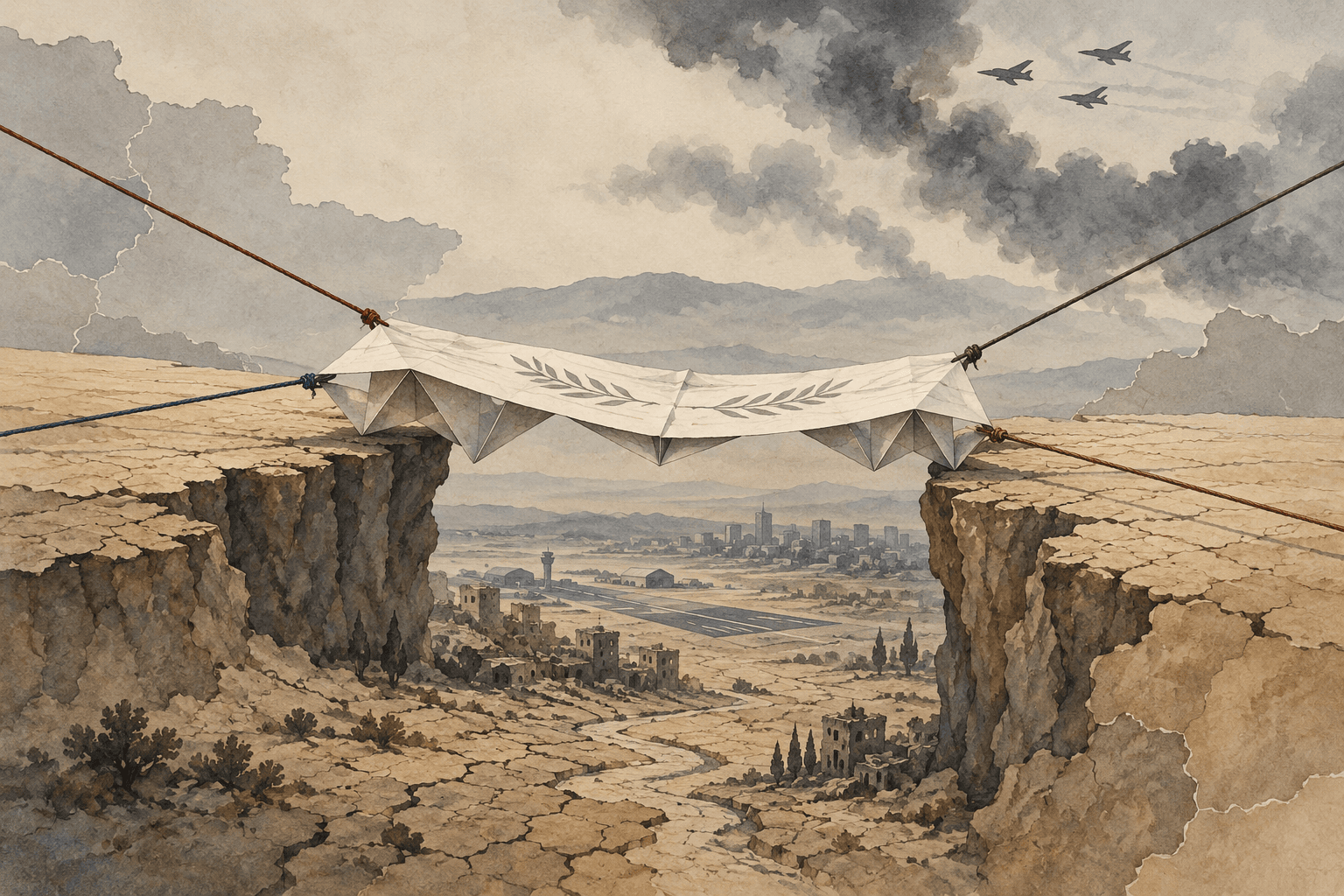
The speech placed China’s annual defence-diplomacy showcase at the centre of a broader contest over Asia-Pacific security architecture. Beijing’s message was that regional stability should be managed through dialogue, restraint and “security governance” frameworks in which China has a leading voice — not through tighter U.S.-led alliance coordination, expanded military exercises or sharper deterrence planning around Taiwan and the East and South China seas.34
Dong spoke as tensions between China and Japan remain elevated over Taiwan, maritime disputes and competing interpretations of wartime history. Reuters reported that the warnings were likely directed at Japan amid frictions over Taiwan and the South China Sea, while Japan-focused coverage described the comments as veiled criticism of Tokyo.12 China’s official account framed the speech more broadly, saying Beijing was ready to share military development experience and provide security assistance as the People’s Liberation Army approaches its centenary.6
The Xiangshan Forum has long been Beijing’s answer to Western-led security venues such as the Shangri-La Dialogue. This year’s opening remarks showed how China is using the platform not only to host foreign defence officials, but also to define the vocabulary of regional order.
Dong emphasized opposition to coercion, confrontation and the revival of militarism, while avoiding direct references to the United States, Japan, Taiwan or the South China Sea.35 That omission was part of the message. By declining to name specific adversaries, Beijing cast its position as a general defence of peace and historical memory, while leaving little doubt about the intended audience.
For Japan, the language on militarism and revisionism was especially pointed. Chinese officials routinely link contemporary Japanese defence policy to unresolved wartime history, and Beijing has criticized Tokyo’s closer coordination with the United States and other partners as a sign of remilitarization. Dong’s comments therefore served two purposes: warning Japan against a more active regional security role and reinforcing China’s claim to moral authority rooted in the memory of the Second World War.29
The forum’s official theme — “Build Consensus on Stability, Advance Security Governance Together” — captured Beijing’s preferred formulation.7 In China’s framing, regional security should be managed through inclusive dialogue, respect for sovereignty, opposition to blocs and rejection of what Beijing sees as externally imposed pressure.79
That framework competes directly with the logic driving U.S. and allied policy in the Indo-Pacific. Washington, Tokyo, Canberra, Manila and other partners have expanded defence cooperation in response to China’s military growth and assertive maritime activity. Beijing portrays those moves as destabilizing; its critics argue they are responses to Chinese pressure.
Dong’s call for deeper discussion on emerging domains such as artificial intelligence, space and the deep sea widened the frame beyond traditional military flashpoints.4 By placing those areas on the Xiangshan agenda, China signalled that it wants a role in setting rules for the next generation of strategic competition, not only in managing current disputes.
The Japan angle matters because Tokyo has moved steadily closer to Washington’s regional deterrence strategy. Japan has increased defence spending, revised national security documents, deepened coordination with the United States and raised its profile in Taiwan-related contingency planning. Beijing views those steps through two lenses: as a direct complication for Taiwan scenarios and as evidence that Japan is abandoning postwar restraint.
Dong’s warning against historical revisionism therefore functioned as more than a historical reference. It was a political signal that China will continue to connect Japan’s contemporary security choices to unresolved wartime memory, especially when Tokyo aligns with U.S. strategy around Taiwan.12
The message also served a regional audience. For Southeast Asian and other Asia-Pacific states wary of choosing sides, Beijing is presenting itself as the defender of dialogue and stability while casting alliance coordination as the source of escalation. That framing is designed to resonate with governments that maintain security ties with the United States but also depend heavily on China economically.
Beijing’s official accounts highlighted Dong’s meetings with foreign defence officials attending the forum and emphasized cooperation, common security and dialogue.7 The attendance of regional partners, including Singapore Defence Minister Chan Chun Sing, showed the forum’s value as a diplomatic venue even for states with close defence relationships with the United States.8
Singapore’s defence ministry said Chan spoke at the forum and met Dong, underscoring the importance of dialogue in maintaining regional peace and security.8 For Beijing, such participation supports the forum’s claim to be a broad-based regional platform rather than a purely Chinese messaging exercise.
At the same time, China’s official defence ministry account of Dong’s opening remarks went beyond neutral convening language. It said China was willing to share its military-building experience and provide security assistance, presenting the PLA’s modernization as a model and resource for other countries.6 That is central to Beijing’s alternative-order narrative: China is not just criticizing U.S.-led security structures; it is offering itself as a provider of concepts, training, assistance and institutional leadership.
Several reports noted that Dong avoided naming the United States or Japan and skirted the most sensitive flashpoints, even while making veiled criticisms of Washington and its allies.35 That restraint suggests Beijing is trying to preserve diplomatic flexibility while still reinforcing its red lines.
The timing matters. Regional coverage placed the forum ahead of expected high-level U.S.-China diplomacy, including a possible Trump-Xi summit.45 In that context, Dong’s speech can be read as a scene-setting exercise: China is willing to talk, including on new domains such as AI and space, but wants talks to proceed on terms that reject alliance pressure and emphasize Beijing’s concepts of security governance.
For Asia-Pacific policy readers, the core takeaway is that Xiangshan is not merely a conference. It is part of China’s institutional competition with U.S.-aligned regional architecture. Dong’s September 16 speech showed how Beijing uses defence diplomacy to fold history, sovereignty, anti-bloc rhetoric and offers of security cooperation into a single message: the region’s security future should be negotiated with China at the centre.







Comments