EU extends Russia hybrid-threat sanctions to 2027 before leaders’ security debate
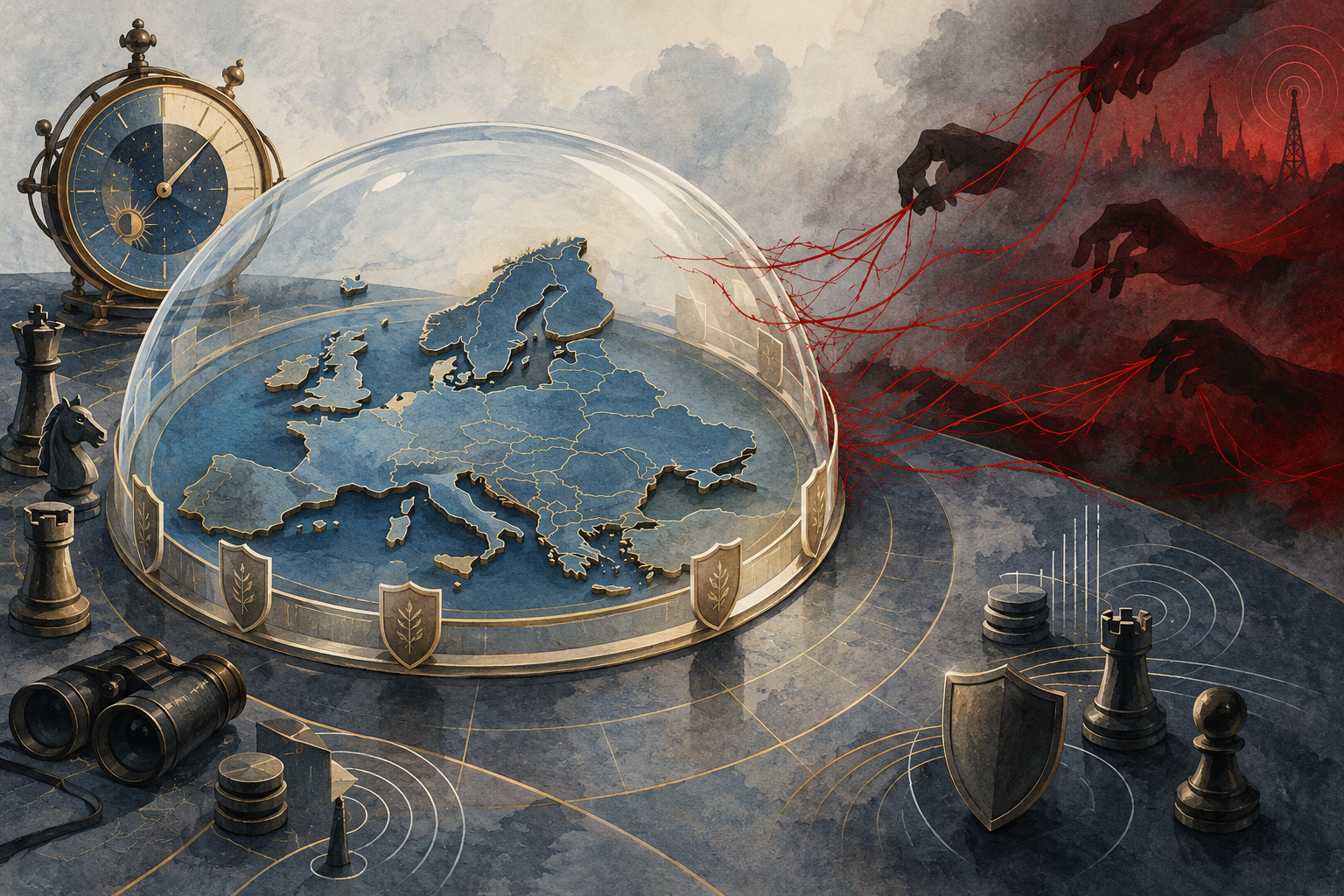
Hybrid activities
A broad category of hostile actions that can include cyber operations, sabotage, disinformation, interference and pressure on critical infrastructure without amounting to open conventional warfare.
FIMI
Foreign Information Manipulation and Interference, the EU term for coordinated efforts by foreign actors to manipulate information and influence public debate or decision-making.
Asset freeze
A sanctions measure that blocks listed individuals or entities from accessing funds and economic resources within EU jurisdiction.
European Council
The EU institution made up of member-state leaders, which sets the bloc’s political direction but does not usually legislate.
Council of the European Union
government
Russia’s hybrid activities: Council prolongs restrictive measures until October 2027
EUR-Lex / Official Journal of the European Union
government
Council Decision (CFSP) 2026/2258 of 8 October 2026 amending Decision (CFSP) 2024/2643 concerning restrictive measures in view of Russia’s destabilising activities
European Council
government
European Council of 15-16 October 2026 - Invitation letter by President António Costa to the members of the European Council
Untracked bias
360LiveNews
EU prolongs sanctions over Russia's destabilising hybrid activities until October 2027
EU NEIGHBOURS east
Russia’s hybrid threats: Council prolongs restrictive measures until October 2027
Orbevance
Activités hybrides russes : les sanctions européennes prolongées jusqu’en octobre 2027
Matière Publique
Ingérences russes : les sanctions européennes sont prolongées jusqu’en octobre 2027
Fakty ICTV
ЕС продлил на год санкции за гибридные и дестабилизационные действия России за границей
Ukrinform
ЄС продовжив на рік санкції проти Росії за гібридні атаки та дестабілізацію за кордоном
ПромПолітІнформ
ЄС продовжив санкції проти РФ за дестабілізацію за кордоном до жовтня 2027 року
Bias and factuality ratings from Media Bias Fact Check. Outlets without a rating are marked “Untracked.”
One-year extension
The Council extended the Russia hybrid-activities sanctions regime until 9 October 2027.
100 listings
The measures currently apply to 80 individuals and 20 entities.
Summit link
EU leaders will discuss Russia’s hybrid attacks, defence readiness and capability gaps on 15-16 October.
The Council of the European Union has extended its sanctions regime targeting Russia-linked hybrid activities for another year, until 9 October 2027, keeping asset freezes, funding bans and travel bans on 80 individuals and 20 entities accused of supporting destabilising actions abroad.1
Adopted on 8 October, the decision signals that the EU views Russian hybrid operations as a standing political-security issue, not a periodic sanctions file. It also puts the issue before EU leaders, who are due to meet in Brussels on 15-16 October to discuss Russia’s hybrid attacks, defence readiness and critical military capability gaps.3
The rollover was made through Council Decision (CFSP) 2026/2258, which amended the 2024 decision establishing the regime by replacing the previous expiry date of 9 October 2026 with 9 October 2027 and updating annexed listings.2 The renewal freezes listed persons’ and entities’ assets in the EU, bars EU citizens and companies from making funds or economic resources available to them, and prevents listed individuals from entering or transiting through EU territory.1
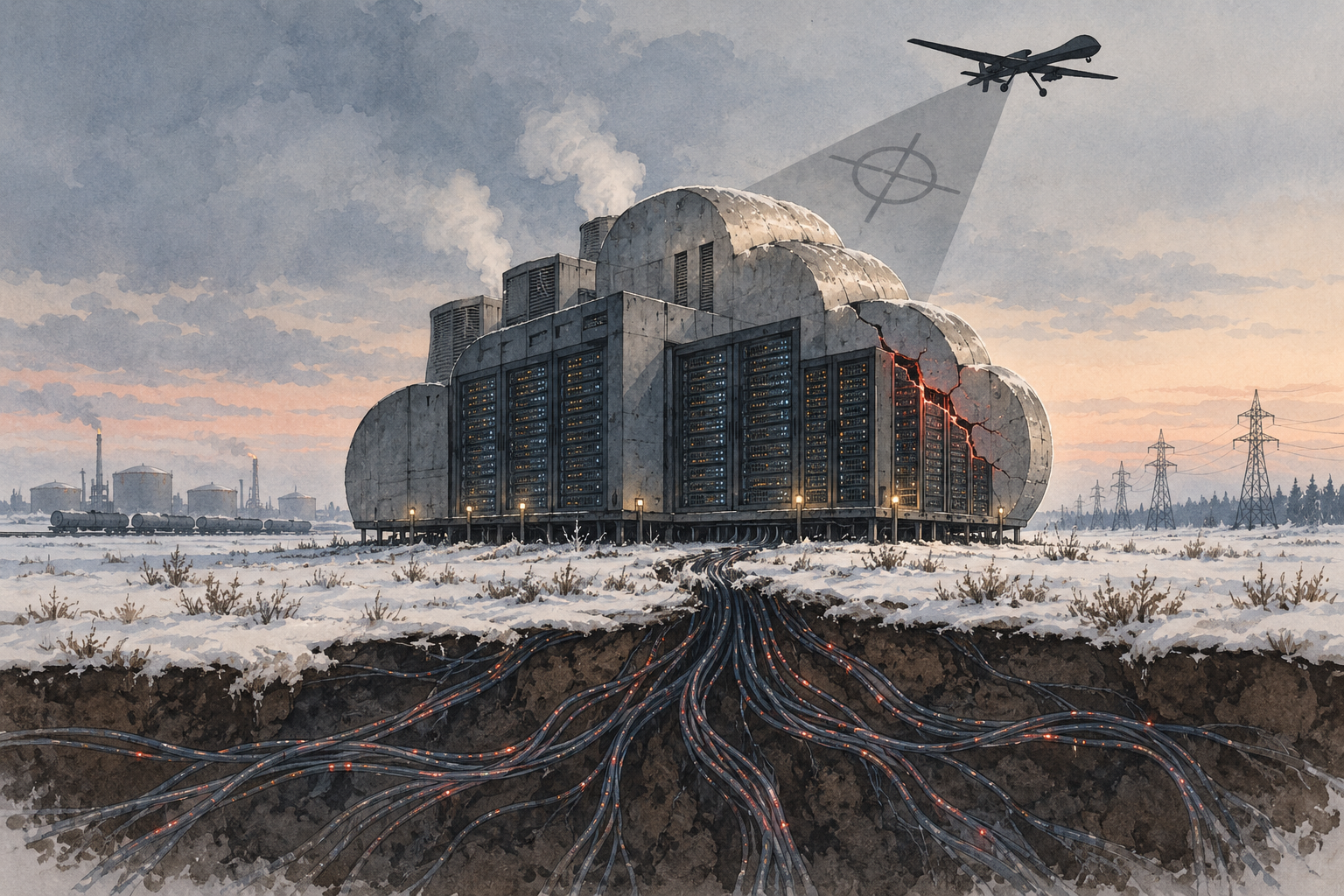
The Council said the extension was made in light of Russia’s “continued and intensified hybrid activities,” including Foreign Information Manipulation and Interference, known as FIMI, against the EU, its member states and partners.1 Brussels-based reporting also described the move as applying to people and organisations accused of supporting Russia’s hybrid destabilisation activities abroad.4
The regime was created on 8 October 2024 to target individuals and organisations engaged in actions and policies by the Russian government that the EU says undermine the bloc’s values, security, stability, independence and integrity.1 It also covers those held responsible for Russian hybrid activities against third countries and international organisations, widening the framework beyond attacks directed solely at EU territory.4
That scope matters politically. By renewing the regime before the European Council, the EU is locking in the punitive layer of its response while leaders prepare to assess whether the bloc’s wider defences are keeping pace with the threat. European Council President António Costa’s invitation letter says leaders will address Russia’s “increasingly reckless behaviour,” including hybrid attacks across Europe, and continue advancing the EU’s defence readiness agenda.3
The summit discussion is expected to review implementation across defence readiness work strands, including efforts to close critical military capability gaps.3 A Danish policy summary of the agenda also highlighted Ukraine, defence readiness and hybrid attacks as part of the 15-16 October meeting, noting that leaders will consider Russia’s campaign of hybrid attacks across Europe alongside work on military capability gaps.6
The current listings cover 80 individuals and 20 entities.1 For listed individuals and organisations, the asset freeze blocks access to funds and economic resources held in the EU. The funding ban prohibits EU operators from providing funds, financial assets or economic resources to them. The travel ban applies to natural persons, preventing entry into or transit through EU territory.1
Specialist sanctions outlet Global Sanctions reported that the EU had extended the Russian hybrid threats framework for another year, until 9 October 2027, and noted that the regime was established in 2024.5 The Brussels Times also reported that listed individuals face a travel ban in addition to the asset freeze and funding restrictions.4
The framework sits alongside the EU’s broader Russia sanctions architecture, but is distinct from sectoral measures tied directly to Russia’s full-scale invasion of Ukraine. It focuses on destabilising conduct, information manipulation, interference and other hybrid actions that can target governments, societies, infrastructure or international organisations without fitting neatly into conventional military categories.1
The renewal follows earlier European Council conclusions from 18-19 June 2026, when EU leaders condemned recent hybrid attacks against the Union and its member states. The Council said leaders at that summit called for urgent efforts to strengthen resilience, enhance preparedness, protect critical infrastructure, and prevent, deter and respond to hybrid attacks.1
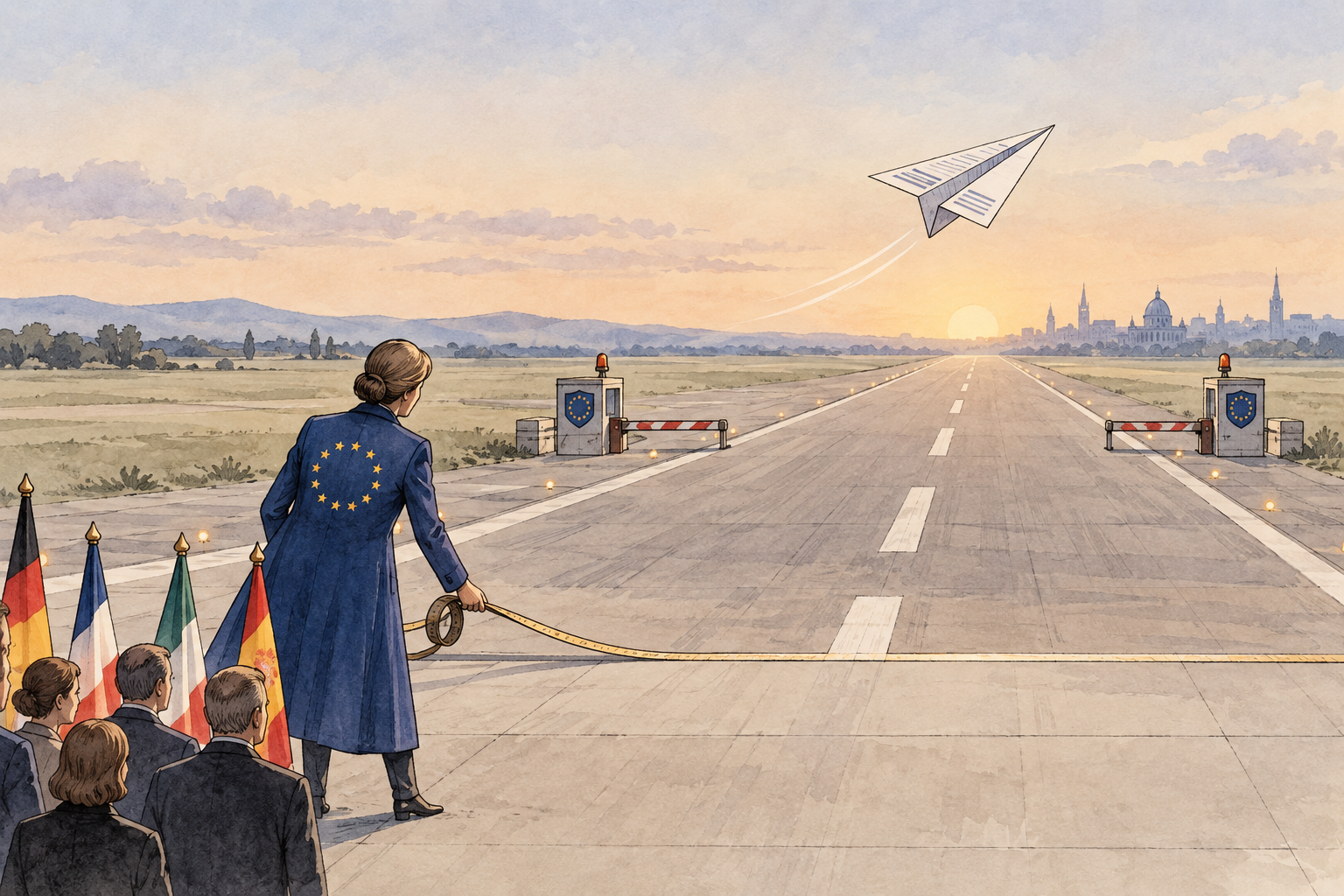
That language is now moving from conclusions into the next leaders’ agenda. Costa’s letter links Russia’s hybrid campaign with the defence readiness agenda and the need to maintain momentum across work strands.3 The question for leaders next week is therefore not whether the sanctions framework should continue — that decision has already been taken — but how far the EU should go in developing readiness and response mechanisms beyond annual renewals.
The 15-16 October summit will also cover Ukraine, including President Volodymyr Zelenskyy’s expected input on operational needs before winter, as Russia continues attacks on critical infrastructure.3 That discussion will place hybrid threats in a broader security setting: Russia’s war against Ukraine, the EU’s defence-industrial readiness, protection of infrastructure and the bloc’s ability to respond collectively to non-conventional attacks.
For EU politics readers, the timing is the central signal. The sanctions rollover is not a standalone Russia measure. It is a marker of how hybrid threats have become a recurring item in the EU’s institutional cycle. The coming Council debate will test whether leaders are prepared to move from maintaining pressure on named individuals and entities to building more systematic tools for deterrence, resilience and response.



Comments