India confirms talks with Russia and Ukraine on Black Sea safety, export safeguards
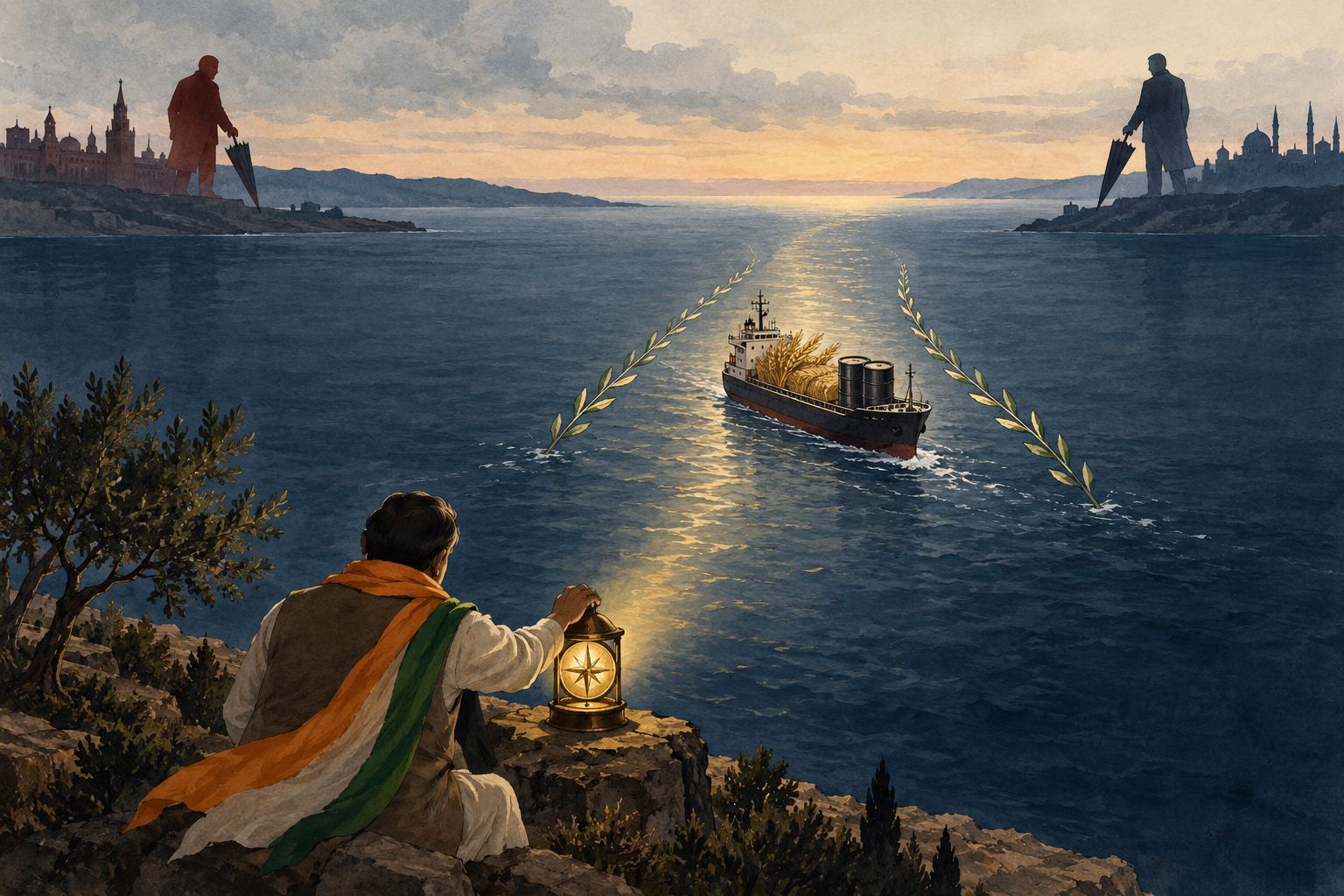
Black Sea shipping safety
A reference to protecting commercial vessels and export routes through the Black Sea, a key corridor for grain, energy and other trade affected by the war.
Non-attack arrangements
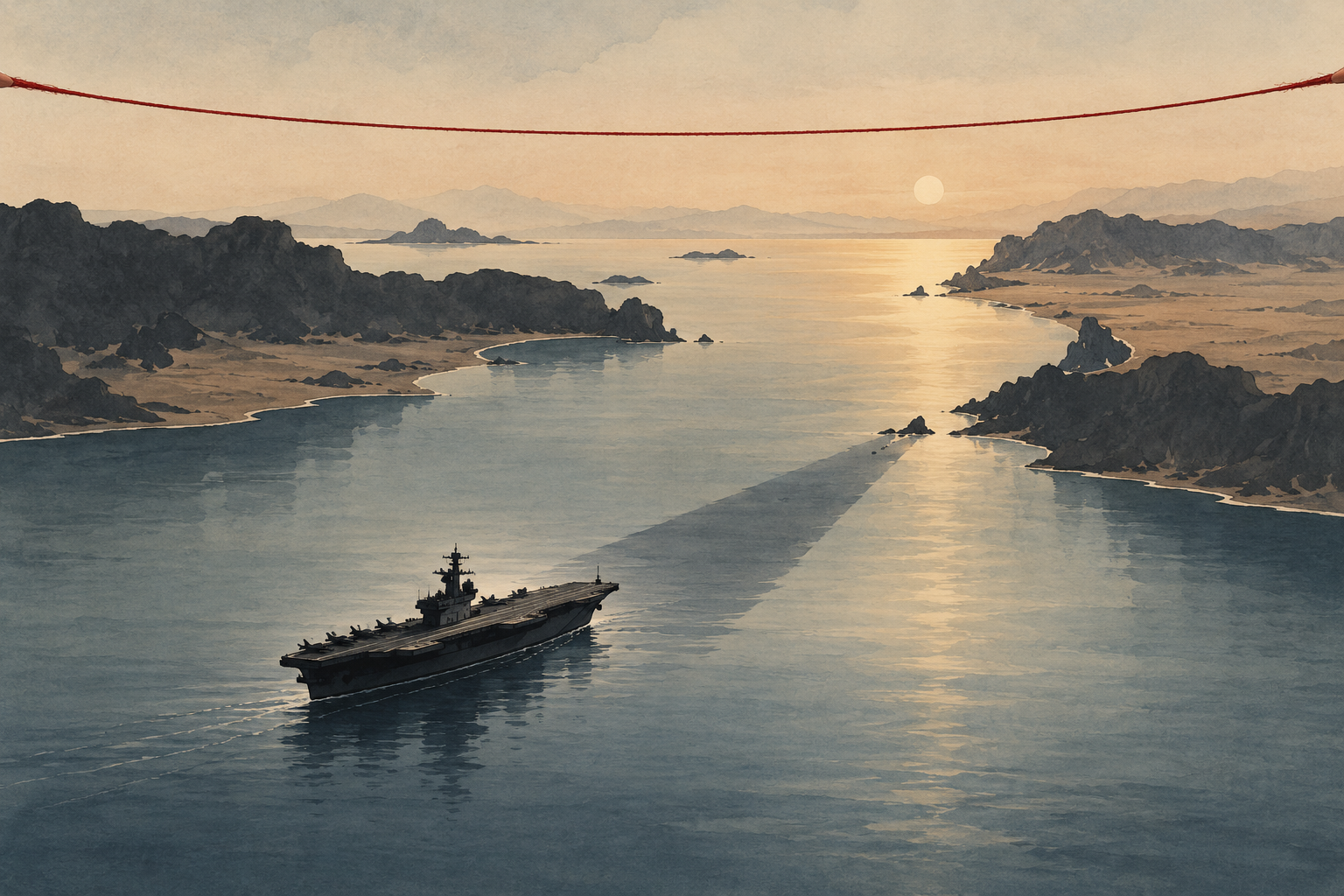
Possible understandings under which parties refrain from striking specific targets, such as ports, ships, energy facilities or other critical infrastructure.
Multi-alignment
India’s practice of maintaining working ties with competing power centres, including Russia, the United States, Europe and others, rather than joining a single bloc.
Conflict mitigation
Diplomatic efforts aimed at reducing harm or creating limited safeguards during a war, even without a full peace settlement.
The Indian Express
news
We are in talks with both Russia and Ukraine: Jaishankar
Akashvani News / News On AIR
government
EAM Jaishankar Highlights Russia’s Role in Supporting India During Security, Territorial Challenges
Hindustan Times
news
India has 'gone beyond advocacy', held talks with both Russia and Ukraine to end war: Jaishankar
Untracked bias
Bias and factuality ratings from Media Bias Fact Check. Outlets without a rating are marked “Untracked.”
Active talks
Jaishankar confirmed India is speaking with both Russia and Ukraine on practical steps linked to the war.
Export focus
The discussions include Black Sea shipping safety, grain exports, energy exports and possible non-attack arrangements.
Balancing act
India is positioning its ties with Russia, Ukraine, Europe and the U.S. as diplomatic leverage rather than simple neutrality.
External Affairs Minister S. Jaishankar said India is in active talks with Russia and Ukraine on practical steps to reduce risks from the war, including Black Sea shipping safety, grain and energy exports, and possible “non-attack” arrangements. The remarks were New Delhi’s clearest public confirmation that it is seeking a more operational role in the conflict, beyond advocating dialogue.1
Speaking Sunday at the Munich Leaders Meeting in New Delhi, Jaishankar said India’s long-stated position remains that the Russia-Ukraine war should end through dialogue, diplomacy and negotiations. But he added that “in recent months,” India has become “a little bit more involved beyond advocacy” and is holding conversations with both sides.12
The issues are narrow but strategically significant. Rather than presenting itself as a formal mediator for a comprehensive peace settlement, India is pointing to areas where both sides have immediate stakes: safe commercial movement in the Black Sea, continuity of grain exports, protection or facilitation of energy exports, and possible limits on attacks affecting ports, energy systems or other critical infrastructure.13
Jaishankar confirmed three elements of India’s engagement. First, New Delhi is talking to both Moscow and Kyiv. Second, the conversations have moved beyond general diplomatic messaging. Third, the agenda includes maritime and export-related issues that could, at least in theory, be separated from larger disputes over territory and battlefield positions.12
According to reports of his remarks, Jaishankar described Black Sea shipping safety as the starting point, with discussions extending to grain exports, energy exports and “non-attack possibilities.”14 Government broadcaster Akashvani also reported that he said India is trying to be helpful and has had conversations with both Russia and Ukraine, beginning with Black Sea shipping safety.2
That framing places India’s effort in the realm of conflict mitigation rather than maximalist peacemaking. It suggests New Delhi is looking for limited, possibly modular arrangements that could reduce economic and humanitarian disruption even if a full ceasefire remains distant.
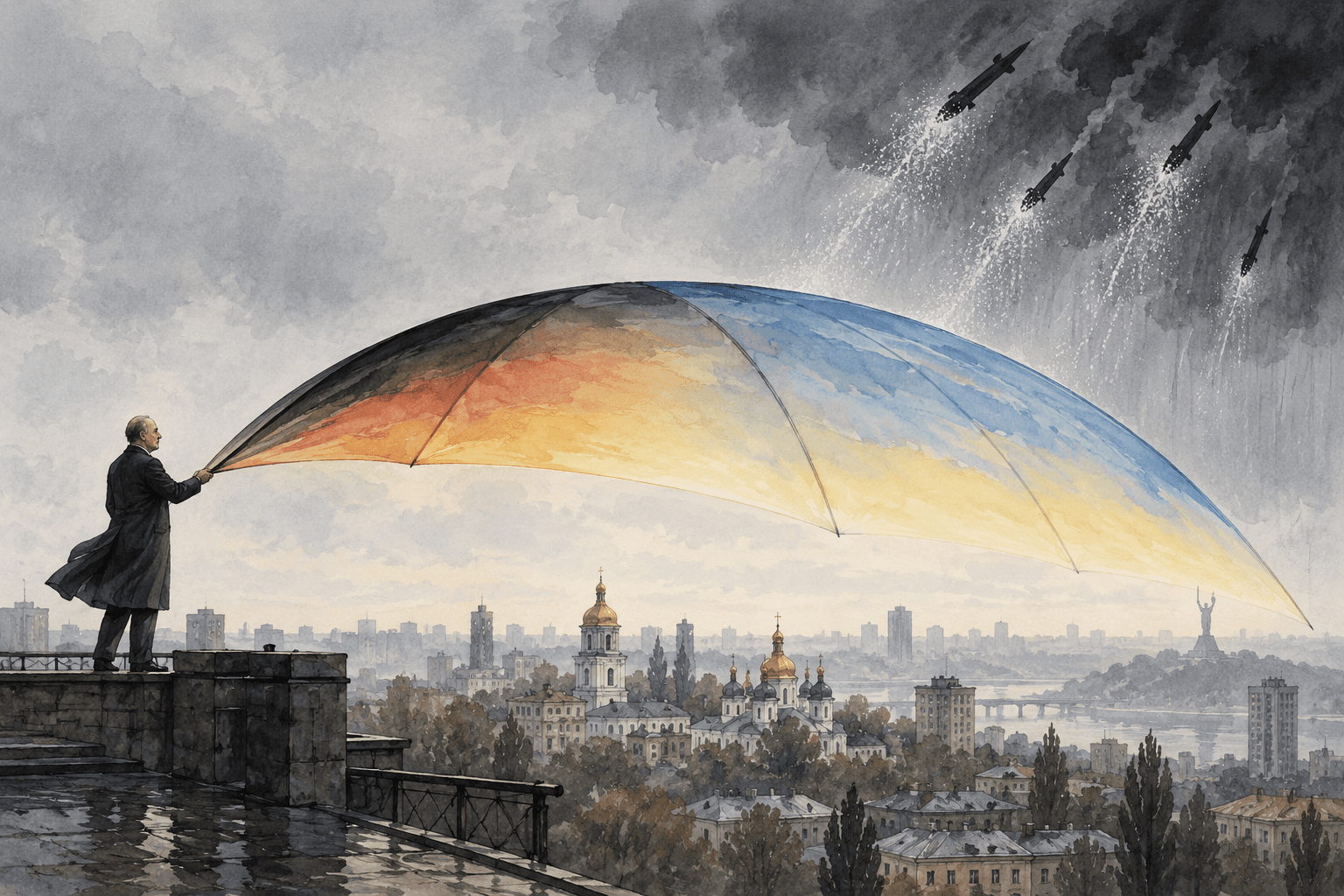
The initiative fits India’s broader effort to preserve strategic room among Russia, Ukraine’s Western backers and its own partners in Europe and the United States. Jaishankar used the same forum to defend the historical depth of India-Russia ties, saying Russia and the Soviet Union had stood by India when its security and territorial integrity were under threat.17
He also described the contemporary India-Russia relationship as wider than its Cold War legacy, citing military, nuclear, space, trade, investment, energy and resource ties.12 That message matters because India has faced sustained Western scrutiny over its continued engagement with Moscow, including energy purchases, even as New Delhi has expanded cooperation with Washington and European capitals.
At the same time, Jaishankar pointed to the case for a deeper India-Europe relationship, including cooperation in advanced manufacturing, semiconductors, space, defence, artificial intelligence and talent mobility.3 Separately reported remarks from the same Munich Leaders Meeting placed India’s Ukraine role within a wider assessment of a changing world order, including U.S. repositioning, China’s rise, supply-chain diversification, the Quad, the India-Middle East-Europe Economic Corridor and the International North-South Transport Corridor.59
For Indian foreign-policy watchers, the signal is that New Delhi is not abandoning multi-alignment. Instead, it is using that posture as the basis for a more practical role: enough access to Moscow to be heard, enough contact with Kyiv to be relevant, and enough engagement with Europe and the United States to make conflict-mitigation proposals politically useful.
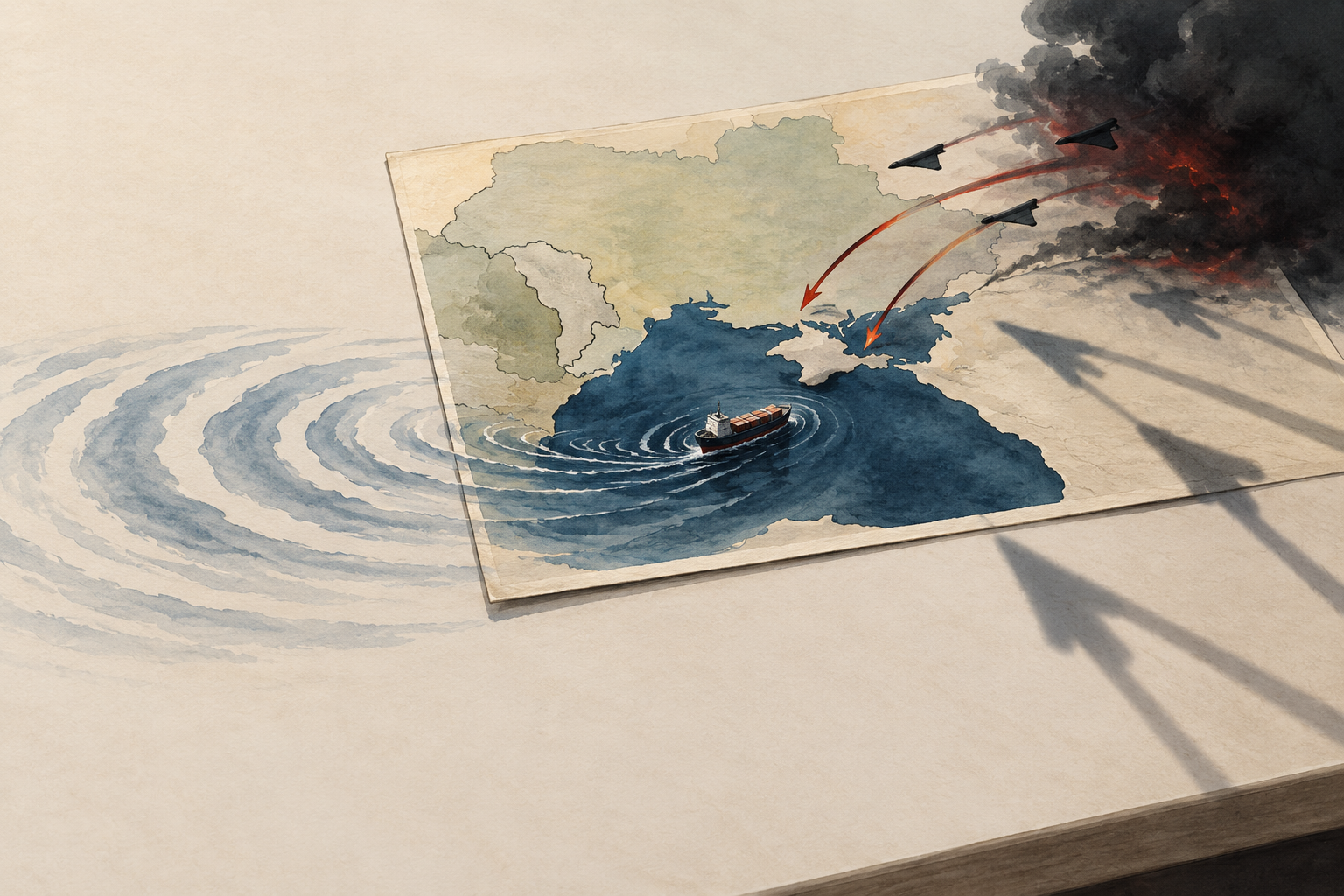
The Black Sea has been central to the war’s global economic fallout because it links Ukrainian and Russian export routes to world grain, fertilizer and energy markets. Attacks on ports, ships and energy infrastructure can affect not only the combatants but also food prices, insurance costs, shipping confidence and energy security far from the battlefield.
By focusing on shipping safety and export flows, India is choosing issues with a clear international public-goods dimension. Grain and energy disruptions affect developing economies, import-dependent states and countries trying to manage inflation. That allows New Delhi to cast its role as pragmatic and stabilising rather than aligned with either military camp.
The approach also matches India’s long-standing public line that the war cannot be solved on the battlefield alone and requires diplomacy. Hindustan Times reported that Jaishankar’s comments were the first public acknowledgement of New Delhi’s initiative and came after Ukrainian Foreign Minister Andrii Sybiha said Kyiv had received several ceasefire proposals, including one from India that he described as the most comprehensive.38
Despite the confirmation, the substance of any Indian proposal remains largely undisclosed. New Delhi has not publicly released a text, sequencing plan, enforcement mechanism, verification arrangement, monitoring role, or the precise meaning of “non-attack possibilities.” It is also unclear whether India is proposing a stand-alone maritime arrangement, a broader energy-and-agriculture truce, or a confidence-building package that could later feed into wider ceasefire talks.
Nor is it clear what role India would play if either side accepted parts of the proposal. Possible roles could range from diplomatic messenger to convenor, guarantor, monitoring participant or informal facilitator, but the Indian government has confirmed none of them.
There is also uncertainty over the positions of Moscow and Kyiv. Russian President Vladimir Putin said Prime Minister Narendra Modi had “good” or “excellent” ideas for a mutually acceptable solution, according to multiple reports.136 Ukraine’s Sybiha reportedly said India’s proposal was among four under consideration and described it as broad or comprehensive.18 But those comments do not establish that either government has accepted an Indian plan, or that the two sides agree on what a Black Sea or non-attack arrangement should cover.
India’s public messaging now appears to be shifting from the language of nonalignment and advocacy to the language of usable diplomatic access. The difference is important. A nonaligned voice can call for dialogue; a practical conflict-mitigation actor tries to identify narrower areas where the parties’ interests overlap enough to produce interim understandings.
That does not make India a decisive mediator. The battlefield, Western sanctions, Russian demands, Ukrainian sovereignty concerns, and the role of the United States and Europe remain central constraints. But Jaishankar’s remarks indicate that New Delhi wants its balancing position to produce diplomatic utility, not merely diplomatic ambiguity.
For now, the confirmed facts are limited: India is talking to both Russia and Ukraine; the conversations include Black Sea shipping, grain, energy and possible non-attack arrangements; and New Delhi is presenting the effort as an extension of its call for dialogue and diplomacy.124 The unanswered questions are larger: what India has actually proposed, whether either side is prepared to accept it, and whether narrow maritime and export safeguards can survive the pressures of a wider war.
Comments