Russia sanctions bill heads to House amid fight over Trump tariff powers

House Rules Committee
The panel that sets terms for House floor debate, including whether a bill can receive a vote and what amendments may be allowed.
Shadow fleet
A network of older, reflagged or opaquely owned tankers used to move Russian oil while avoiding Western sanctions and price restrictions.
Tariff authority
Power delegated by Congress to the president to raise import duties under specified conditions; critics often view broad delegations as shifting trade power from Congress to the White House.
Waiver authority
Language allowing the president to decline or suspend sanctions or restrictions, often after certifying that doing so serves the national interest.
Associated Press
news
House tees up vote on Russia sanctions bill, but prospects for passage are uncertain
Reuters via WNCY
news
US House to vote on Russia sanctions backed by late Senator Graham
Radio Free Europe/Radio Liberty
news
US House Set To Take Up Russia Sanctions Bill Amid Fight Over Trump Tariff Powers
House action
The House Rules Committee is scheduled to consider the Senate amendment to H.R. 5334 on Sept. 14, setting up possible floor action next week.
Senate margin
The Senate passed the Russia sanctions package 86-11, giving supporters a bipartisan mandate as the bill moves to the House.
Tariff power
The bill would authorize tariffs of up to 100% on major buyers of Russian oil or natural gas, a provision driving Democratic objections.
WASHINGTON — House leaders are preparing to take up a bipartisan Russia sanctions package next week after the Senate passed it 86-11, but its prospects remain uncertain as Democrats warn it would give President Donald Trump expanded tariff powers months before the midterm elections.12
The House Rules Committee scheduled the Senate amendment to H.R. 5334, the Lindsey O. Graham Sanctioning Russia and Iran Act of 2026, for consideration Monday, Sept. 14. The procedural step could set up floor action later in the week.93
The timing makes the bill one of Congress’ last chances before members leave Washington for campaign season to act on a Ukraine-related sanctions measure aimed at pressuring Russian President Vladimir Putin.1
At the center of the dispute is whether Congress is moving to constrain the White House on Russia policy or empower it. Supporters describe the package as a way to tighten economic pressure on Moscow, its energy sector and sanctions evasion networks.
Critics, including senior House Democrats, say the bill would give Trump new trade authority without requiring him to impose Russia sanctions they say he can already enact under existing law.45
The Senate-passed measure would authorize the president to impose tariffs of up to 100% on major purchasers of Russian oil or natural gas, including countries such as China and India. It also would create exceptions for countries with limited Russian gas exposure that are reducing dependence on Moscow’s energy exports.16
The bill includes sanctions targeting Putin, senior Russian political and military officials, Russian financial institutions, energy projects and vessels in Russia’s so-called shadow fleet — older or reflagged tankers used to move oil around Western restrictions.13
Legislative tracking data summarizes H.R. 5334 as a measure imposing sanctions, tariffs and prohibitions related to Russia, including presidential authority to raise duties up to 100%.10
But the text also gives the White House waiver authority if the president certifies to Congress that waiving sanctions or restrictions is in the national interest.1 That discretion is part of Democrats’ concern that Congress would delegate additional tools to Trump while leaving key decisions to the executive branch.
Reps. Gregory Meeks of New York, Richard Neal of Massachusetts and Don Beyer of Virginia said in a joint statement that House Democrats support Ukraine but oppose moving the Senate-passed bill without changes.4 Meeks is the ranking Democrat on the House Foreign Affairs Committee, Neal is the ranking Democrat on Ways and Means, and Beyer is the senior House Democrat on the Joint Economic Committee.
Their statement said the measure “expands presidential tariff authorities” while failing to mandate sanctions on Russia. They called for bipartisan and bicameral negotiations on a bill that could win broader support.4
Beyer’s office separately posted the same statement, emphasizing the argument that Trump already has authority to expand sanctions on those helping fuel Russia’s war and should use it without delay.5
The Democratic critique reflects a broader fight over trade power in Trump’s second term. Tariffs traditionally originate in Congress, but lawmakers have delegated substantial authority to presidents over decades. This bill would add a Russia-focused tariff mechanism at a politically sensitive moment, as Democrats seek to avoid giving Trump another unilateral trade weapon ahead of the midterms.
Republican leaders’ decision to tee up the bill follows weeks of uncertainty after the Senate approved the legislation by an overwhelming margin.18 Reuters reported that the House would begin consideration next week and identified the central dispute as the balance between new Trump tariff authority and pressure on Russia.2
The bill is named for the late Sen. Lindsey Graham, R-S.C., who had worked for more than a year to advance the sanctions effort.1 Its Senate vote margin gives supporters a strong bipartisan talking point, but it does not guarantee House passage if Democrats withhold support and Republicans split over trade, Russia policy or giving Trump broader discretion.
Ukraine supporters are pressing for action. Ukrainian President Volodymyr Zelenskyy urged the House to pass the bill and called for strong U.S. sanctions decisions, according to AP.1 Ukraine-focused reporting has also framed the House vote as a test of whether Congress will increase pressure on Russia’s war economy after months of stalled sanctions efforts.7
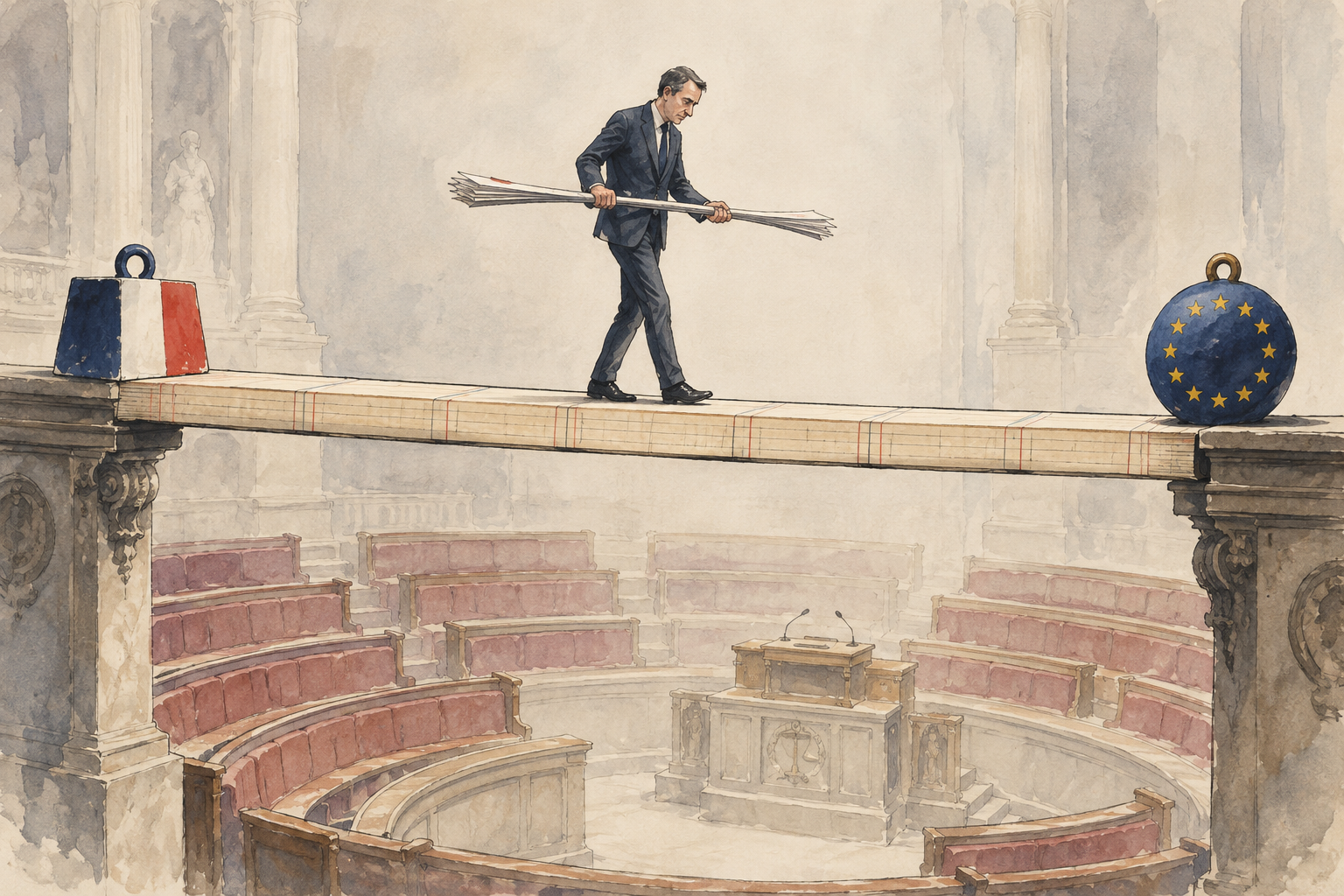
The House debate is now less about whether lawmakers want to punish Russia than about who decides how. The legislation gives Congress a visible role by passing new sanctions language, but it also gives the president substantial authority over tariffs, implementation and waivers.110
That structure has created an unusual split: A sanctions bill designed to project bipartisan resolve against Moscow is becoming a fight over executive power.
For supporters, the flexibility allows Trump to pressure Russia’s energy customers and adapt sanctions to fast-changing markets. For opponents, the same flexibility risks letting the White House target allies, reshape trade policy or decline to use Russia sanctions Congress says it supports.34
The Rules Committee meeting on Sept. 14 will be the first formal House test. If the bill advances to the floor, lawmakers will have to decide whether the urgency of Ukraine policy outweighs concerns that Congress is expanding presidential trade power at the edge of an election season.91





Comments