Saudi alerts show Houthi threat moving beyond Red Sea

Houthis
An Iran-aligned Yemeni movement that controls Sanaa and much of northern Yemen and has used missiles, drones and maritime attacks against Saudi-linked targets.
Bab el-Mandeb
A narrow strait between Yemen and Djibouti that links the Red Sea to the Gulf of Aden and is a key route for global trade and energy shipments.
East-West Pipeline
A Saudi oil pipeline that moves crude from the Gulf side of the kingdom to the Red Sea, allowing exports to bypass the Strait of Hormuz.
Layered air defense
A defense approach that uses multiple sensors and interceptor systems to detect, track and stop drones, missiles and other aerial threats at different ranges.
Business Recorder / Reuters
news
China presses Iran to help rein in Houthis
Associated Press
news
Saudi Arabia issues air raid alerts across the country, and other Mideast developments
Reuters via Investing.com
news
Flames, smoke seen near Riyadh airport after Saudi warning of aerial attack threat
Untracked bias
100% of tracked sources are High factuality
The Times of Israel
Apparent Houthi attacks trigger alerts in 6 Saudi cities; Riyadh vows response
Bias and factuality ratings from Media Bias Fact Check. Outlets without a rating are marked “Untracked.”
Capital alert
Saudi Arabia issued hostile aerial-threat warnings that included Riyadh, where explosions were heard before alerts were lifted.
Oil exposure
Houthi attacks and related strikes have threatened Saudi energy infrastructure, shipping and Red Sea export routes.
China channel
Reuters reported that China privately asked Iran to help rein in the Houthis after an appeal from Saudi Arabia.
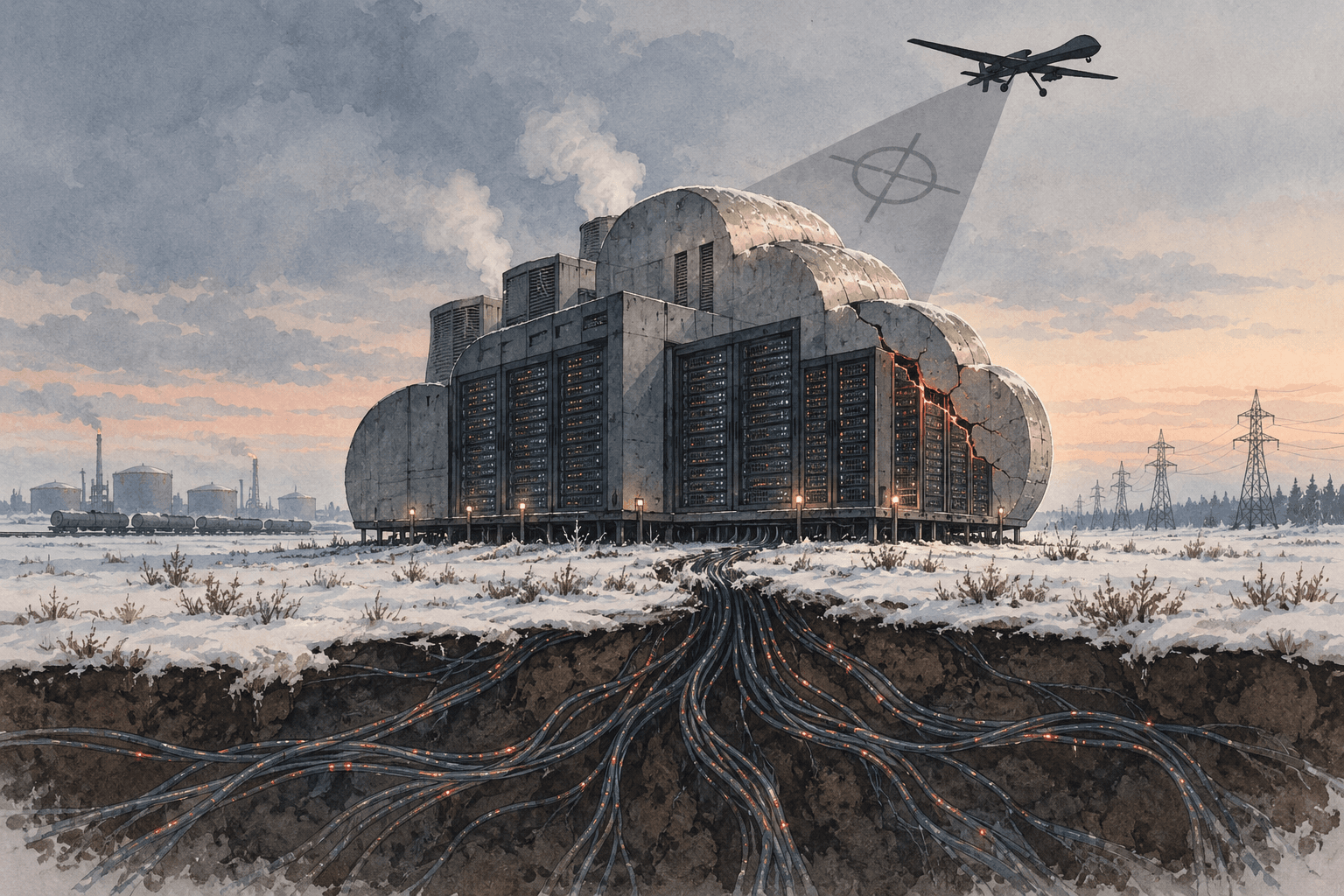
Saudi Arabia’s air-raid alerts across the kingdom, including in Riyadh, signal a widening Houthi threat beyond Red Sea shipping lanes and energy infrastructure into the Saudi homeland. The alerts, explosions heard in the capital and smoke seen near Riyadh’s main airport suggest Riyadh is now managing a layered security challenge: defending cities, oil assets, export routes and public confidence at once.23
The warnings came as Yemen’s Iran-aligned Houthis have escalated missile, drone and maritime attacks after expanding along Yemen’s Red Sea coast. Saudi authorities did not immediately say what triggered the latest alerts, and no casualties or damage were reported after the alerts were lifted, according to the Associated Press.2 But the distribution and timing of the warnings point to a key shift. What began as a pressure campaign around maritime transit and Saudi-linked vessels is now forcing Riyadh to treat Houthi reach as a national air-defense and civil-protection issue.
The diplomatic response is also broadening. Reuters reported that China, acting after a Saudi appeal, privately asked Iran to help rein in the Houthis, according to three Iranian sources familiar with the matter.1 That channel matters because Beijing is one of the few powers with significant ties to both Riyadh and Tehran. China’s energy interests are also directly exposed to instability in the Red Sea, Bab el-Mandeb and Strait of Hormuz corridors.
Saudi Civil Defense issued two warnings early Saturday for Riyadh and Al-Kharj, then lifted them after all-clear messages. Arab News reported that the first alert came at about 2:58 a.m. local time, followed by witness accounts of at least two explosions in Riyadh. A second warning for Riyadh and Al-Kharj followed at 5:19 a.m.4 The warnings were sent through the National Early Warning Platform, with residents told the area faced a hostile aerial threat.4
Reuters reported a large plume of smoke near Riyadh’s main airport after booms were heard and the overnight alerts were sent. Reuters images showed black smoke near airport facilities, and flames were visible at one point behind what appeared to be fuel tanks.3 Saudi authorities did not immediately respond to Reuters questions about the smoke or the alerts.3
The operational significance is less about a single incident than about saturation risk. Saudi Arabia has long relied on layered air defenses to intercept missiles and drones. But alerts in Riyadh, Al-Kharj, Jeddah, Taif, Khamis Mushayt, AlUla and the Farasan Islands point to a threat spread across multiple regions.4 Even successful interceptions can be dangerous: Arab News reported that falling debris from an intercepted Houthi drone in Taif killed a Yemeni resident and injured a Saudi woman and a Pakistani resident.4
That creates a defensive burden that is both military and political. Riyadh must detect and intercept drones and missiles, protect airports and oil infrastructure, communicate with residents, and avoid escalation that could pull the Yemen front deeper into the broader regional war.
The Houthis’ recent campaign has been tied to a maritime blockade against Saudi-linked vessels and to battlefield gains along Yemen’s Red Sea coast. AP reported that the Houthis seized the port city of Mokha and islands near the Bab el-Mandeb, a narrow strait through which about 12% of world trade passes in peacetime.9 That geography gives the group leverage over shipping and Saudi export options at a time when the broader Iran conflict has already disrupted Gulf routes.
But the latest Saudi alerts show the threat is no longer limited to ships, ports or offshore chokepoints. Reuters reported that Houthi attacks have targeted Saudi cities, energy infrastructure and shipping, creating risks for oil supplies and for the Red Sea route used as an alternative when the Strait of Hormuz is constrained.3 Gulf News, citing AFP and AP, reported that the Riyadh alert was the first time the capital had been directly affected since the Yemen conflict intensified in July.5
The Houthis appear to be using reach as coercion: threaten shipping, strike energy nodes and demonstrate that Saudi urban areas are not insulated from the Yemen front. Even if many projectiles are intercepted, repeated warnings can impose economic and psychological costs by disrupting airports, energy operations and daily life.
The attacks also threaten Saudi Arabia’s ability to route oil around regional chokepoints. Reuters reported that oil prices fell after China asked Iran to limit Houthi attacks on Saudi oil infrastructure, but the same report noted that recent Houthi and regional military activity had helped push prices higher in prior weeks.8
The East-West Pipeline is especially important because it allows Saudi crude to move from the Gulf side of the kingdom to the Red Sea export hub of Yanbu. Reuters reported that three pumping stations serving the pipeline were damaged in an attack, and that Saudi Arabia was seeking to restore about half of the pipeline’s capacity within days, though repair timelines remained unclear.8
For Riyadh, this makes the Houthi campaign a strategic squeeze. If Hormuz is disrupted and Red Sea routes are threatened, Saudi Arabia’s redundancy is weakened. If drones and missiles also reach inland infrastructure and cities, the kingdom must spread air-defense resources across a larger target set.
Saudi Arabia’s request for Chinese help reflects a calculation that pressure on Tehran may be more useful than battlefield escalation alone. Reuters reported that China privately asked Iran to use its influence with the Houthis to prevent the conflict from spreading further across energy routes that China depends on.1
China has leverage that other outside actors lack. Reuters reported that China has been Iran’s largest trading partner for more than a decade and remains the main buyer of Iranian oil. Chinese purchases accounted for more than 80% of Iran’s seaborne oil exports in 2025, according to Kpler data cited in the report.1 Beijing also brokered the 2023 Saudi-Iran rapprochement, giving it diplomatic credibility with both sides.1
But the limits are clear. Reuters reported that Chinese officials did not issue explicit threats or indicate that Beijing would apply economic pressure if Tehran failed to act.1 Iran’s response, according to the same report, was that regional stability depends on ending the U.S.-Israeli war on Iran.1 That suggests Tehran may treat the Houthi file as part of a wider bargaining structure rather than a discrete crisis.
The U.N. Security Council condemned Houthi attacks on Saudi Arabia, including strikes on civilian and energy infrastructure, and called for the Houthis to cease military escalation.7 The council also warned that continued escalation risked worsening Yemen’s humanitarian crisis and called for cooperation to prevent the Houthis from acquiring arms, training and financing.7
For regional security watchers, the alerts are a warning indicator. They show that Saudi Arabia is facing not just a border conflict or a shipping disruption, but a homeland-defense challenge tied to the wider Iran-centered regional war. The more Riyadh’s cities, airports and energy corridors are placed under alert, the stronger the pressure for external air-defense help and diplomatic intervention.
The near-term question is whether Beijing can persuade Tehran to restrain the Houthis before Saudi Arabia concludes that defensive measures and diplomacy are insufficient. If China’s message to Iran produces restraint, the crisis could remain contained to coercive signaling and managed disruption. If it fails, the Yemen front could become a broader Saudi homeland-security crisis with direct consequences for global energy flows and regional escalation.







Comments