Why Ukraine Is Keeping a Channel Open With Iran

Source Material
Reuters via MarketScreener
news
Ukrainian foreign minister says he discussed keeping tension low with Iranian counterpart
The Kyiv Independent
news
Foreign Minister Sybiha says he spoke with Iran about easing tensions with Ukraine
Tasnim News Agency
news
Iran, Ukraine Discuss Situation in Middle East, Europe
Coverage Comparison
Coverage Details
- Total News Sources
- 8
- Leaning Left
- 0
- Leaning Right
- 0
- Center
- 0
- Last Updated
- 20 days ago
Bias Distribution
Untracked bias
Bias and factuality ratings from Media Bias Fact Check. Outlets without a rating are marked “Untracked.”
UNGA meeting
Ukraine’s Andrii Sybiha met Iran’s Abbas Araqchi on Sept. 23 and said they discussed preventing further tensions.
Drone link
Iranian-designed Shahed drones remain central to Kyiv’s concern about Tehran’s military relationship with Moscow.
Two-theater risk
Ukraine is trying to deter Iranian support for Russia while limiting spillover from the U.S.-Iran and Middle East confrontation.
Ukrainian Foreign Minister Andrii Sybiha’s Sept. 23 meeting with Iranian Foreign Minister Abbas Araqchi was less a sign of rapprochement than an exercise in risk management. Kyiv is trying to keep open a channel to a state it accuses of enabling Russia’s war, while the U.S.-Iran confrontation and wider Middle East instability threaten to reshape Ukraine’s military and diplomatic environment.1
The meeting, held on the sidelines of the U.N. General Assembly in New York, focused on “mutual steps” to prevent further tensions between Ukraine and Iran, according to Sybiha’s public account. The two sides also discussed developments in Europe and the Middle East and agreed to keep existing communication channels open.123
That combination captures Kyiv’s problem. Iran is both a Middle East actor facing U.S. and Israeli pressure and a military partner of Moscow whose drone technology has helped Russia strike Ukrainian cities, infrastructure and military targets. For Ukraine, Iran policy is no longer a secondary issue. It touches air defense, sanctions, maritime operations, European diplomacy and the risk of a wider regional war.
Kyiv’s immediate goal: prevent another escalation
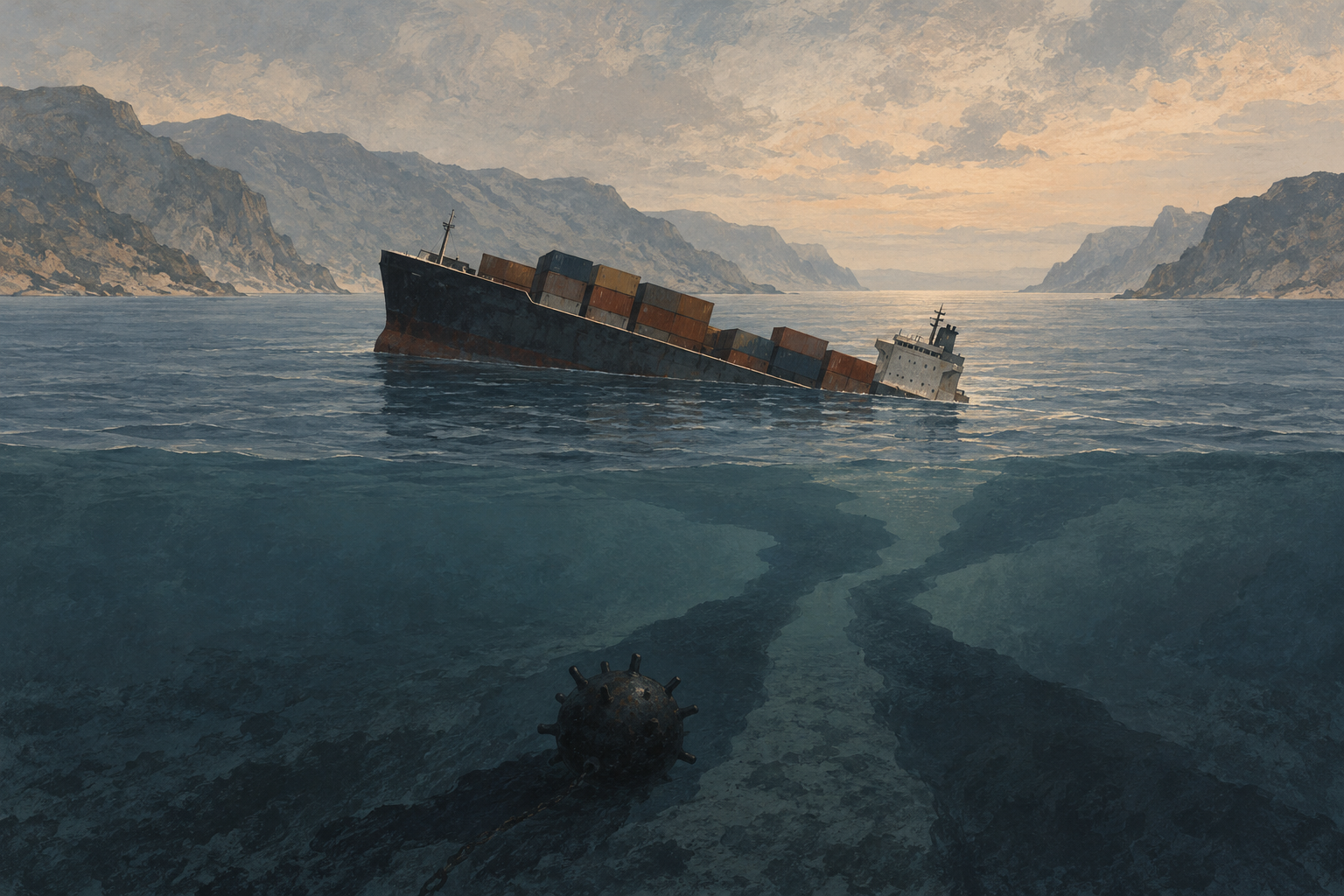
The New York meeting followed a July phone call between Sybiha and Araqchi after Iran accused Ukraine of attacking an Iranian commercial vessel in the Caspian Sea, killing one sailor and injuring another. Tehran denounced the incident and threatened retaliation. Kyiv said its military actions were aimed at defending Ukraine from Russian aggression, not at civilians or civilian shipping.4
Sybiha used the July exchange to urge Iran to avoid escalation and end its support for Russia’s war against Ukraine.145 The September meeting carried the same message into the U.N. setting: communication is necessary even when the relationship is hostile.
That is why the meeting matters. Ukraine is already fighting a grinding war with Russia. A direct cycle of retaliation with Iran, even limited to shipping, drones or deniable operations, would create another front of political and military risk. Keeping a diplomatic line open gives Kyiv a way to warn Tehran, clarify intent after incidents and reduce the chance that a localized clash becomes a broader confrontation.
The drone war made Iran unavoidable for Ukraine
Iran’s importance to Ukraine is rooted in the battlefield. Since Russia’s full-scale invasion, Ukrainian officials and media reports have repeatedly tied Russia’s long-range strike campaign to Iranian-designed Shahed drones, which Moscow has used against Ukrainian cities and infrastructure.12
For Kyiv, those drones turned Iran from a distant regional power into a direct factor in the war. They forced Ukraine to adapt its air defenses, develop counter-drone tactics and press allies to sanction supply chains connected to Iranian weapons. They also gave Ukraine a diplomatic argument: what Iran exports to Russia does not stay confined to the Ukraine war; it affects European security.
That argument becomes stronger when Middle East escalation is added to the picture. Ukraine has developed experience against Iranian-designed drones and has signaled that this experience could be relevant to Middle Eastern states facing Iranian or Iran-linked strike threats.1 In effect, the same drone ecosystem connects Russian attacks on Ukraine, regional security in the Gulf and Red Sea, and Western sanctions policy.
The Middle East is now part of Ukraine’s diplomatic battlefield
The timing of the Sybiha-Araqchi contact is important. Iranian state-aligned accounts of Araqchi’s U.N. meetings stressed U.S. pressure, “economic warfare” and what Tehran describes as U.S.-Israeli actions in the region.67 Whether one accepts that framing or not, it shows how Iran is placing Ukraine-related diplomacy inside a broader confrontation with Washington, Europe and Israel.
That matters for Kyiv because Ukraine depends heavily on the United States and Europe for weapons, financing and sanctions enforcement. If U.S.-Iran escalation dominates Western attention, raises energy prices, strains air-defense stockpiles or hardens Russia-Iran cooperation, Ukraine could feel the effects even without taking part in the Middle East conflict.
The risk is two-theater competition. Ukraine wants more air-defense systems, interceptors and political focus from its partners. Middle East escalation can create competing demands for the same Western diplomatic bandwidth and, potentially, some of the same military capabilities. At the same time, pressure on Iran can make Tehran more reliant on Russia, deepening a relationship Kyiv is trying to disrupt.
Tehran’s incentives run through sanctions and Moscow
Iran’s relationship with Russia is shaped partly by isolation. Western sanctions and U.S. pressure have narrowed Tehran’s options, while Moscow offers diplomatic backing, military cooperation and economic channels. Iranian state media coverage of Araqchi’s U.N. diplomacy emphasized opposition to U.S. pressure and criticized Europe for aligning with Washington.6
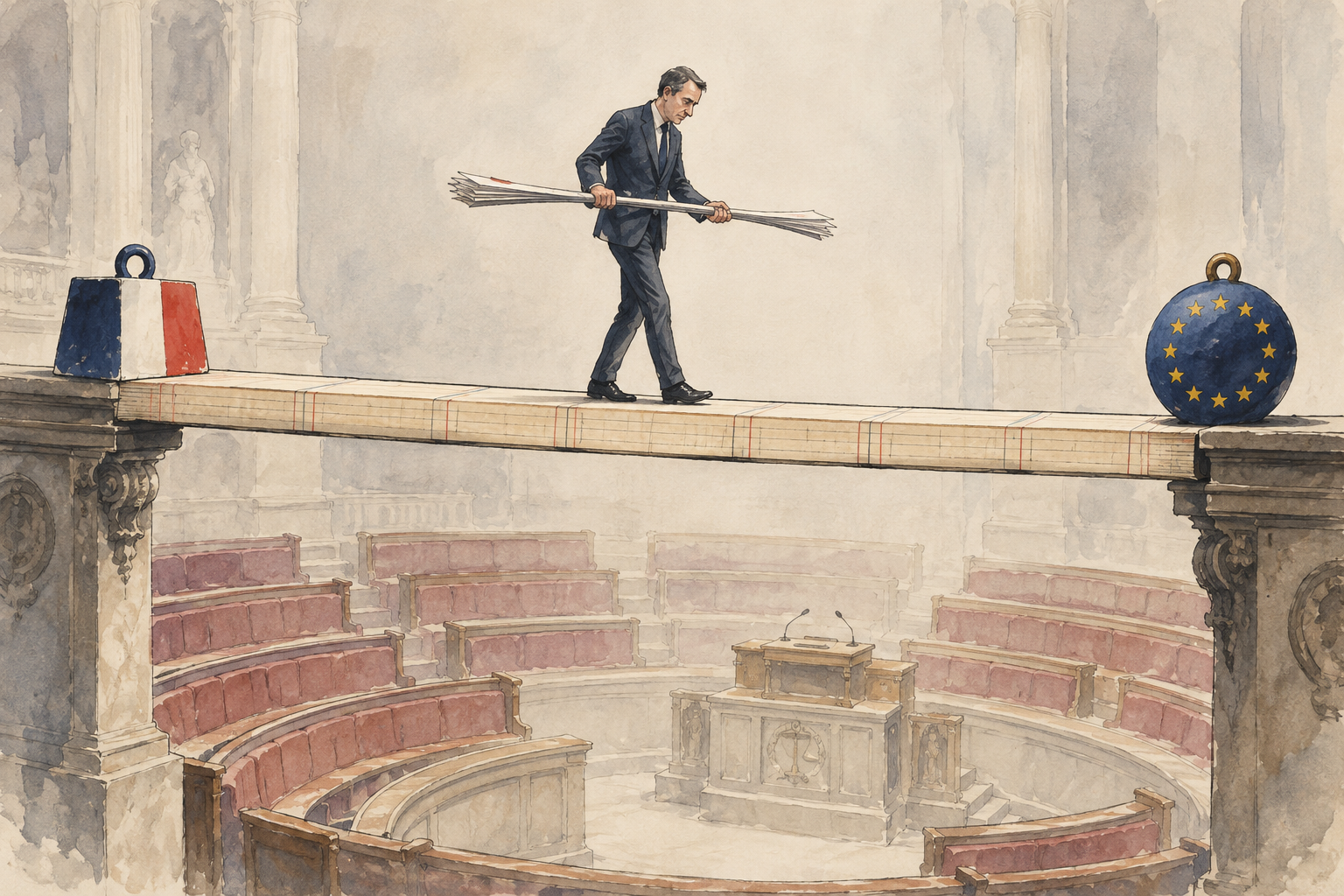
For Ukraine, that creates a difficult balance. Kyiv wants sanctions and export controls to raise the cost of Iranian support for Russia. But it also wants to avoid turning every dispute with Tehran into a cycle that gives Moscow a freer hand to present itself as Iran’s indispensable partner.
That is why engagement and pressure are not contradictory in Kyiv’s approach. Ukraine can demand that Iran stop supporting Russia, encourage allies to enforce sanctions, and still speak directly to Iranian officials when a ship strike, drone transfer or Middle East crisis risks widening the conflict.
Why Iran also has reason to keep the channel open
Iranian coverage of the New York meeting emphasized bilateral relations, developments in Europe and the Middle East, and the value of consultations between the two foreign ministers.3 Anadolu reported that Araqchi said after the July call that Iran did not seek escalation, while also insisting that attacks on Iranian citizens or interests were unacceptable and required restitution.4
That posture leaves room for continued contact. Tehran can maintain its political alignment with Moscow and its confrontation with Washington while still using diplomacy with Kyiv to manage specific incidents. For Iran, open channels may help avoid unintended clashes, gather information about Ukrainian intentions and signal to Europe that it remains diplomatically active despite sanctions and conflict.
What to watch next
The first test is whether the communication channel prevents new Ukraine-Iran incidents, especially around shipping routes linked to Russia, the Caspian Sea and military cargo. Another is whether Kyiv continues to publicly connect Iranian support for Russia with wider European and Middle Eastern security concerns.
The third is sanctions. If Western governments intensify measures against Iranian drone and missile networks, Ukraine will likely argue that such pressure protects both European cities and Middle Eastern partners. Iran, in turn, will frame sanctions as part of U.S.-led coercion, as Araqchi did in his U.N.-side diplomacy with European officials.6
The larger picture is that Ukraine’s war is no longer confined to the European theater. Russian-Iranian military cooperation, U.S.-Iran confrontation, drone warfare and Middle East escalation now overlap. Kyiv’s engagement with Tehran is an attempt to manage that overlap before it produces another crisis Ukraine cannot afford.




Comments