Headlam collapse highlights stress in UK housing-linked small caps
September 2, 2026
Headlam Group’s move to appoint administrators and suspend its London listing is a warning signal for UK small-cap investors exposed to repair, maintenance and improvement supply chains. The flooring distributor’s liquidity exhaustion, covenant breaches and index deletions point to a harsher environment for companies reliant on discretionary housing spend and creditor patience.

7m

Finance
6m
ECB September Hike Priced, but Energy Inflation Keeps Yield Risk Alive
Euro-area inflation’s jump to 3.3% has left investors treating a 10 September ECB rate increase as close to a done deal. The larger question for European rates is whether policymakers frame the shock as energy pass-through requiring more insurance hikes, or as a supply-driven spike that subdued core inflation can contain.

Finance
7m
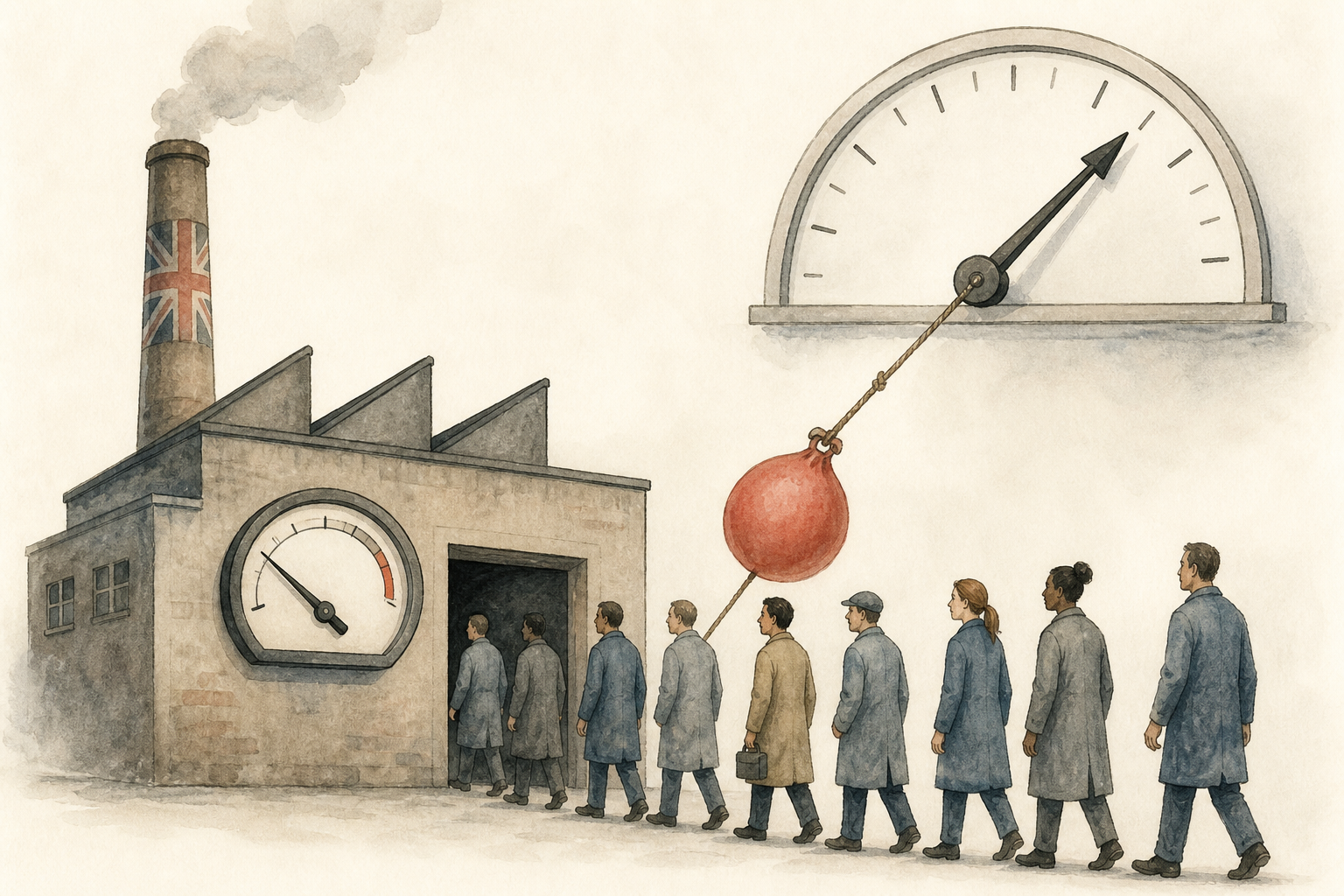
UK risks missing the sharper turn in global manufacturing
August manufacturing surveys suggest the global goods cycle is improving, led by euro-zone order growth and AI-linked Asian exports. The UK is still expanding, but slower factory momentum, weak investment and fiscal-risk pressure on sterling leave domestic cyclicals looking less compelling than exporters exposed to Europe and Asian technology supply chains.
Finance
6m
UK Factory Hiring Muddies Dovish Signal From Softer PMI
The UK manufacturing PMI eased to a five-month low in August, but the strongest factory hiring in more than two years complicates the case for a dovish Bank of England pivot. For rates markets, the report looks less like a demand shock and more like a marginal slowdown with labour-cost risks still alive.
Palo Alto’s Console Deal Signals a Race for Agentic Cybersecurity Automation
September 2, 2026
Palo Alto Networks’ acquisition of Console is less about adding another security tool than about embedding agentic workflows into Cortex and reinforcing its broader platform strategy. The deal suggests large cybersecurity vendors are increasingly likely to buy AI-native automation capabilities as enterprise buyers push for faster analysis, remediation and fewer fragmented products.

6m

Business
4m
BHP commercial chief’s exit tests China iron-ore succession strategy
BHP Chief Commercial Officer Rag Udd is set to step down at the end of January, creating a succession challenge in the miner’s most sensitive customer-facing role. The transition comes as China’s state-backed iron-ore buyer seeks tougher terms and steel-demand signals remain uneven.

Business
6m
Australia’s Kenvue Remedy Shows Divestiture Path for Consumer-Health Megadeals
Australia approved Kimberly-Clark’s proposed $40 billion acquisition of Kenvue only after requiring the local sale of Kenvue’s Carefree and Stayfree period-care brands. The decision suggests regulators may permit large consumer-health combinations where targeted brand divestitures preserve competition, but it also previews the trade-offs Kimberly-Clark could face as it seeks global clearance.