Baowu’s Jimblebar Interest Is About Commodity Security, Not BHP Housekeeping

Jimblebar
A large BHP-operated iron-ore mine in Western Australia’s Pilbara region, with BHP holding an 85% interest alongside Japanese minority partners.
62% Fe benchmark
The commonly watched seaborne iron-ore reference price for material containing 62% iron, typically quoted for delivery to China.
Upstream exposure
Ownership or economic participation in production assets, giving a buyer direct exposure to mine output and margins rather than only purchasing the commodity.
CMRG
China Mineral Resources Group, a state-backed platform intended to strengthen China’s centralized purchasing power in iron ore.
Talks Preliminary
Reports describe Baowu’s interest in a 15% to 25% Jimblebar stake as early-stage, with no agreed deal or disclosed valuation.
Major Tonnes
Jimblebar produced about 62.5 million tonnes of BHP-attributable iron ore in fiscal 2026, roughly a quarter of BHP’s iron-ore output.
Price Hedge
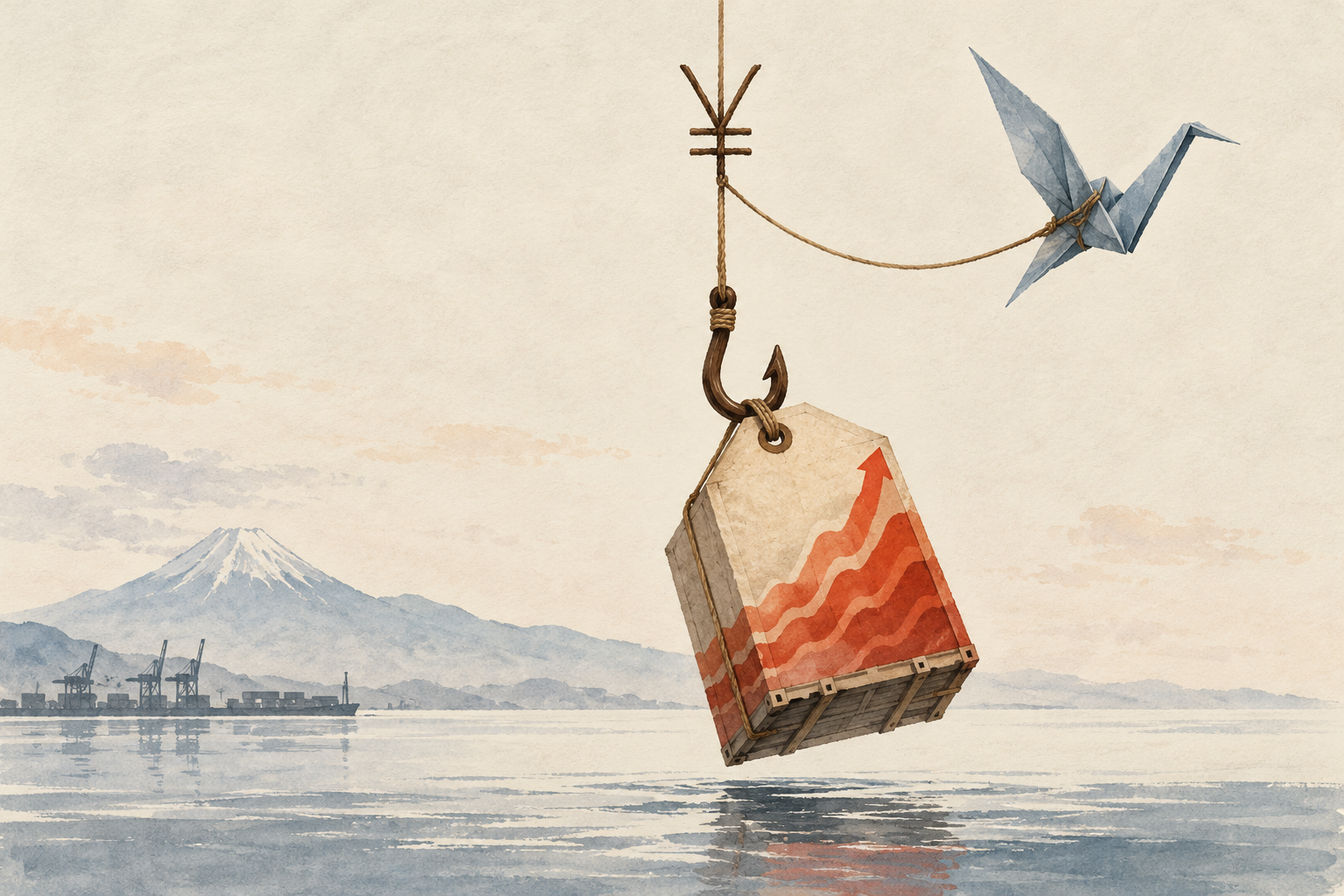
With 62% Fe iron ore near $100 a tonne, a Baowu stake would function as a hedge against volatile seaborne pricing.
BHP’s response to reports that China Baowu Steel Group is considering a stake in the Jimblebar iron-ore mine points to preliminary discussions, not an agreed transaction. But the strategic signal is already clear: for Baowu, a minority holding in a major Pilbara asset would be a commodity-security hedge, not a passive financial investment.
The reported proposal would have Baowu seek a 15% to 25% stake in Jimblebar, sourced from BHP’s existing 85% interest. Discussions are described as preliminary, with no deal agreed, no disclosed valuation and no certainty that Baowu’s interest will lead to a transaction.1 BHP, responding after the report surfaced, said it has a long history of partnering across its assets and regularly considers opportunities that could create long-term shareholder value. It also stressed that Western Australian iron ore remains central to its portfolio.1
For mining investors, the issue is less whether BHP can monetize part of a mature asset and more what a deal would say about China’s steel strategy. Jimblebar produced about 62.5 million tonnes of BHP-attributable iron ore in fiscal 2026, around one-quarter of BHP’s iron-ore output, according to reports on the potential transaction.1 A 15% to 25% economic exposure measured against that attributable output would equal roughly 9.4 million to 15.6 million tonnes a year. That is not enough to transform China’s import dependency, but it is large enough to embed a strategic hedge inside a tier-one seaborne supply chain.
The available reporting indicates Baowu is weighing a stake, not negotiating a completed sale. Existing ownership is reported as 85% BHP, with Itochu and Mitsui holding the remaining interests.2 No valuation has been disclosed, and Baowu has not commented publicly in the cited reporting.1
That distinction matters because any transaction would sit at the intersection of corporate portfolio management and foreign-investment politics. Geomechanics.io noted that a Baowu deal would face regulatory risk in Australia, where Chinese investment in strategic resources attracts heightened scrutiny.2 Iron ore is not rare earths or lithium, but it is central to Australia’s export base and China’s industrial system. A Chinese state-linked steel champion taking direct equity in a major Pilbara operation would therefore be assessed through a broader national-interest lens.
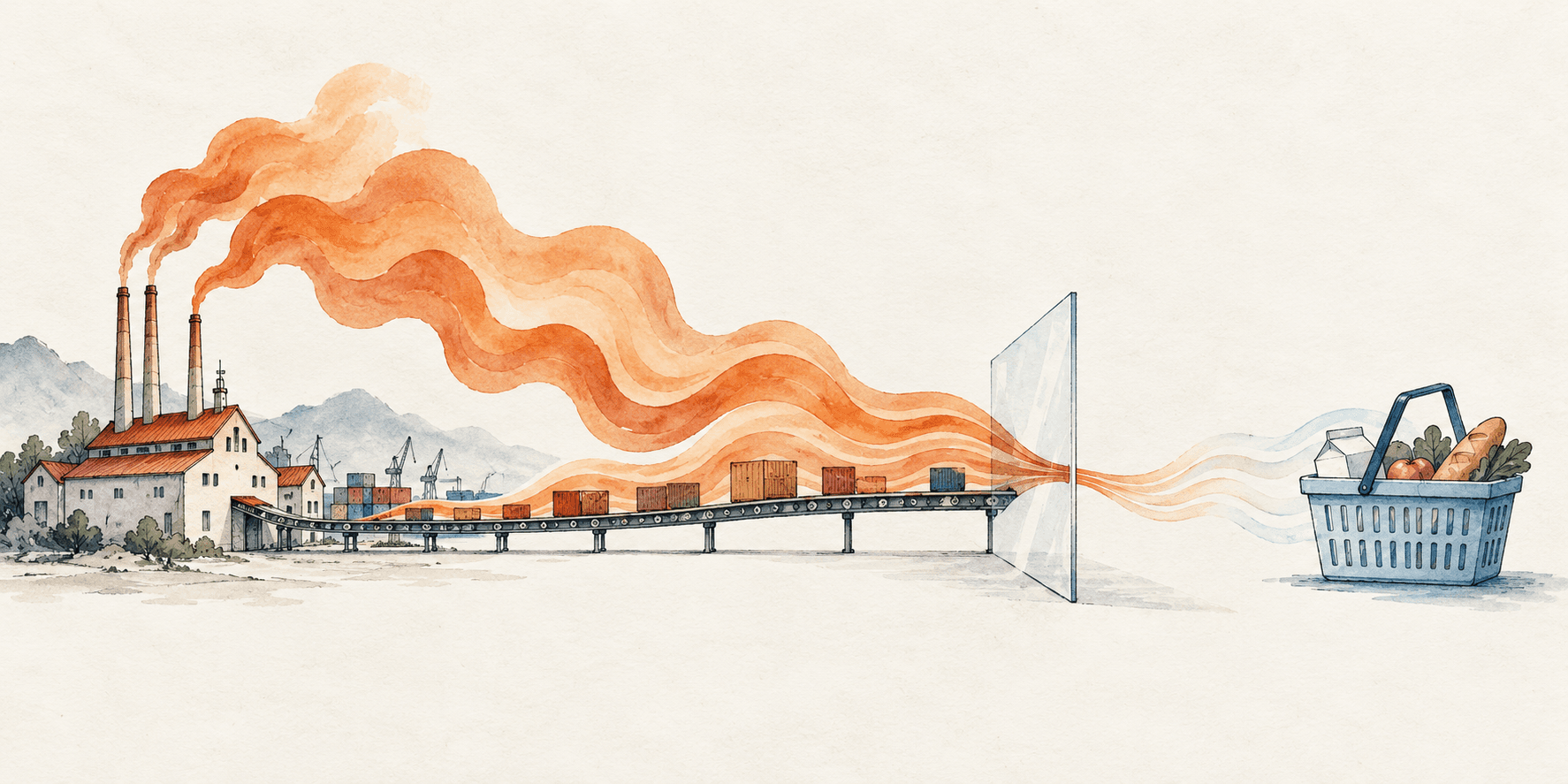
Baowu’s logic is straightforward: reduce exposure to pure spot-market buying and improve security of supply from the lowest-risk iron-ore basin in the world. The potential stake would give Baowu upstream exposure to a large, established Pilbara mine rather than merely another offtake contract.1
That shift matters because China has been trying to strengthen its negotiating hand in seaborne iron ore. Mesteel reported that China Mineral Resources Group, the state-backed purchasing platform, has been working to reinforce centralized buying and China’s bargaining position with major global suppliers.3 A Baowu equity position in Jimblebar would complement that effort. Centralized purchasing attacks price formation from the demand side; mine equity creates a partial natural hedge on the supply side.
The hedge would be imperfect but useful. China would still buy vast quantities from BHP, Rio Tinto, Vale and Fortescue, and a minority Jimblebar stake would not set benchmark prices. But it could give Baowu a share of margin when iron ore prices rise, better visibility into cost structures and a stronger seat in long-term supply discussions.
For BHP, the financial case for selling a minority stake would depend on valuation, governance rights, offtake terms and any effect on marketing flexibility. At current pricing assumptions cited in the reports, Jimblebar’s annual output was estimated to be worth roughly $6.2 billion, underscoring why even a minority slice could command meaningful proceeds.2
Still, against BHP’s listed scale, the transaction would not redefine the group. Stake’s market data showed BHP with a market capitalization of A$316.49 billion and a latest market close of A$63.78 as of September 6, 2026.8 A Jimblebar minority sale would therefore likely matter more as a strategic partnership signal than as a balance-sheet event.
The timing also fits BHP’s broader capital-allocation debate. BHP has been increasingly framed around copper and other future-facing commodities, with recent commentary highlighting copper’s role in the company’s long-term agenda and reporting that copper has surpassed iron ore as the largest EBITDA contributor.12 Selling a minority interest in a mature iron-ore asset could release capital or commercial bandwidth without exiting the Pilbara core. But it would also dilute BHP’s economic exposure to one of its highest-quality cash generators.
The key investor question is whether BHP would be paid enough to compensate for that dilution — and whether any strategic concessions, such as offtake rights or pricing arrangements, would reduce its future leverage in China-facing sales.
Iron ore prices remain rangebound rather than distressed. The Rio Times reported that 62% Fe fines delivered to China settled at $99.57 a tonne on September 5, up 0.15%, with prices held near $100 by Chinese steel output and restocking despite weak property demand and margin pressure at mills.4 SteelHome’s China imported 62% Fe CFR iron-ore index stood at $101.84 a tonne for September 4, showing a similar near-$100 pricing environment.5
That context makes Baowu’s potential interest more strategic. Buying upstream exposure when iron ore is neither collapsing nor breaking out suggests the objective is not opportunistic bottom-fishing. It is a hedge against volatility, supply disruption and pricing disputes in a market where a handful of miners still dominate high-quality seaborne supply.
For BHP’s pricing power, a Baowu stake could cut two ways. A well-structured minority sale could deepen customer alignment, reduce friction and reinforce BHP’s position as a preferred supplier. But if Chinese mills view equity participation as a precedent, BHP and its peers could face growing pressure to share asset-level economics with strategic customers in exchange for long-term market access.
In the near term, the reported stake size is too small to shift benchmark pricing. Over time, however, Chinese steelmakers’ upstream investments, combined with centralized procurement through CMRG, could gradually reduce the asymmetry that has historically favored the Pilbara majors in annual and spot negotiations.3
The most plausible interpretation is that BHP is testing optionality while Baowu is testing supply-chain resilience. The deal, if it happens, would not amount to a retreat from iron ore by BHP. Jimblebar would remain operated by BHP, and Western Australian iron ore would remain a core earnings pillar.1
But the strategic center of gravity would shift. Baowu would gain exposure to a major Pilbara hub; China would add another tool to its commodity-security playbook; and BHP would show that even its core iron-ore franchise can be used selectively to create strategic value.
For investors, the watch points are clear: whether talks move beyond preliminary discussions, whether Canberra signals comfort with Chinese participation in a major Pilbara asset, whether any transaction includes offtake or marketing commitments, and whether BHP can preserve price leverage while monetizing a minority stake.
Until those terms are visible, the reported Baowu interest should be treated not as a completed BHP divestment story, but as a live test of how far China’s steel sector is willing — and allowed — to go in securing upstream iron-ore exposure.





Comments