German orders rebound may hinge on exports, leaving factory recovery exposed

Factory orders
A forward-looking indicator of manufacturing demand, measuring new orders placed with industrial firms.
Domestic capex
Capital expenditure by companies within Germany, such as spending on machinery, equipment and production capacity.
Non-euro foreign orders
Orders from customers outside the euro area; these can boost German exporters but also increase exposure to global demand and currency swings.
TTF gas futures
Market contracts linked to the Dutch Title Transfer Facility, a key benchmark for European natural gas prices.
Export-led orders
German machinery orders rose 2% in July as a 4% gain in foreign orders offset a 3% decline in domestic demand.
Capex caution
Weak domestic machinery orders suggest Germany’s local investment cycle has not yet joined the industrial recovery.
Energy risk
Low gas-storage levels and elevated gas futures leave German manufacturers exposed if production rises into higher energy costs.
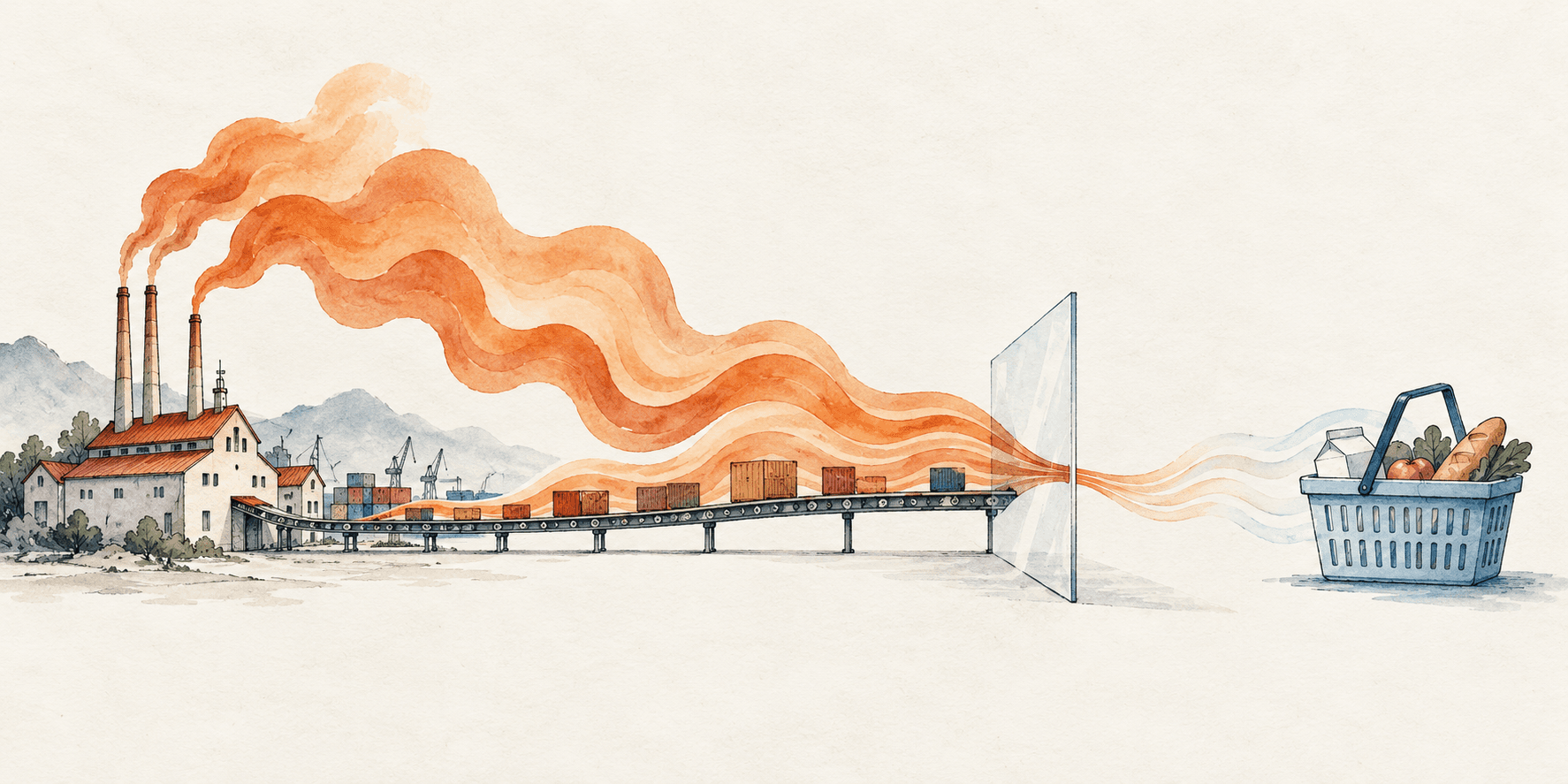
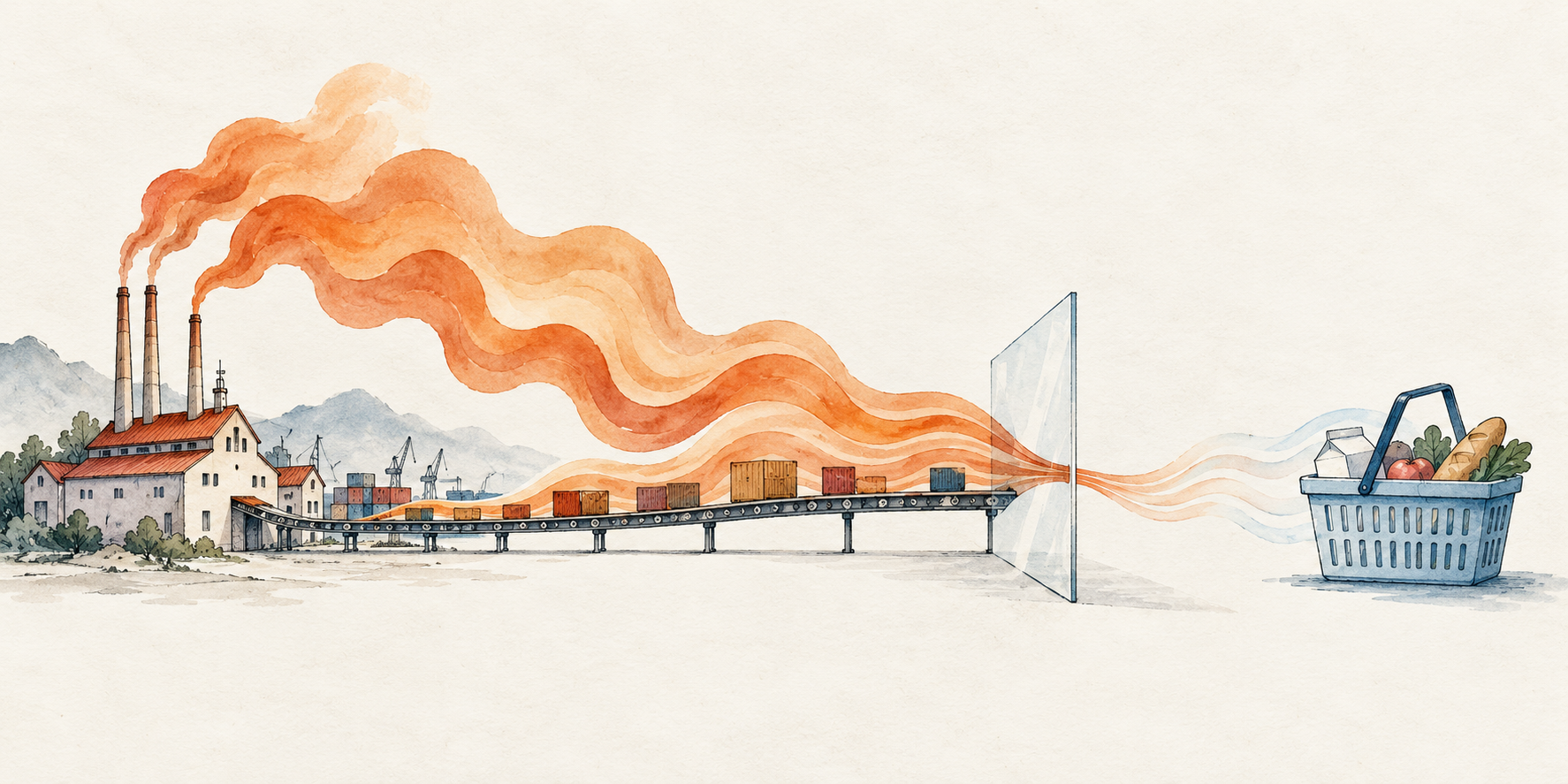
Germany’s latest industrial orders are likely to be read less as a clean recovery signal than as a test of durability. Machinery orders rose in July, but only because foreign demand offset continued weakness at home. That leaves any broader improvement in factory orders exposed to global demand, energy costs and tighter European financial conditions.
Official German factory orders for July were scheduled for release at 08:00 on September 4, making them a key macro input for investors assessing whether the eurozone manufacturing cycle is turning.8 The result matters for both rates and equities. An export-led rebound would support industrial revenues in the near term, but it would offer weaker evidence that domestic capital expenditure, margins and employment are on a self-sustaining path.
The warning came a day earlier from the machinery and plant-engineering sector, one of Germany’s most cyclical and export-sensitive industries. Reuters reported that German machinery orders rose 2% in real terms in July, as foreign orders increased 4% while domestic orders fell 3%.1 Dow Jones coverage of the VDMA data showed the same split and added that non-euro foreign orders rose 23% over the May-July period, underscoring how much demand outside the currency bloc was doing the heavy lifting.4
For European macro investors, the composition of orders matters more than the headline. Overseas demand can lift output and earnings expectations, especially for exporters, but it does not necessarily mean German companies are restarting investment at home. The 3% drop in domestic machinery orders suggests the local capex cycle remains hesitant despite the improvement in aggregate demand.1
That matters because domestic orders are typically a cleaner signal of confidence among German manufacturers, construction suppliers and industrial buyers. If firms are still delaying equipment purchases, the recovery may remain narrow. Export-facing groups benefit first, while smaller domestic suppliers, automation providers and capital-goods companies tied to local investment see less momentum.
The July factory-order release therefore carries an asymmetry. A strong headline number would need confirmation in the domestic component to strengthen the case for a broad eurozone manufacturing rebound. If the improvement is concentrated in foreign orders, investors may treat it as a revenue-supportive but fragile export impulse rather than evidence of a full-cycle recovery.
An externally driven recovery leaves German industry exposed to forces outside Berlin or Frankfurt’s control. Demand from the United States, China and other non-euro markets can shift quickly with inventory cycles, fiscal policy, tariffs, currency moves and commodity demand. The reported 23% rise in non-euro foreign machinery orders over May-July is encouraging for order books, but it also concentrates the recovery in the segment most exposed to global volatility.4
The ifo Institute’s autumn forecast, published September 3, described Germany’s recovery as gaining support from manufacturing, exports and foreign impetus, while also flagging risks from energy-price shocks, possible gas shortages and production disruptions.11 That framing fits the orders data: Germany’s industrial cycle may be improving, but the sources of improvement appear more external than domestic.
For equity investors, the distinction argues for selectivity. Large exporters with diversified end-markets may benefit from overseas orders, especially where pricing power and backlogs are intact. Companies more exposed to Germany’s domestic investment cycle may not see the same uplift. Banks and cyclical small caps would also need evidence of local borrowing and investment demand before a broader rerating looks justified.
Energy is the second vulnerability. Le Monde reported that German gas reserves were roughly 53% on September 3, raising concerns about potential pressure on household and business bills as industrial production recovers.12 Bundesnetzagentur gas-storage data provide the official backdrop for those concerns, tracking daily changes in German storage levels using AGSI+ data.14
The industrial implication is straightforward: stronger orders may not translate fully into margins if higher production coincides with more expensive energy. Energy-intensive manufacturers, chemicals producers, metal processors and parts of the machinery supply chain remain especially sensitive to gas and power costs. Windkraft-Journal, citing B2B energy-market analysis, said Q4 TTF gas futures had moved above €70 per megawatt-hour, with low storage and LNG dependence increasing industrial sensitivity to market moves.15
That makes the recovery more conditional than in previous cycles. In a normal upswing, rising orders would support utilization, operating leverage and confidence. In the current environment, higher output may also increase exposure to volatile input costs, particularly if cold weather or supply disruptions tighten gas markets later in the year.
The third constraint is financing. Higher European rates tend to weigh on capital expenditure, especially for machinery purchases with long payback periods. Even if the European Central Bank is closer to the end of its tightening cycle than the beginning, borrowing costs remain materially higher than during the pre-energy-crisis investment cycle. That helps explain why domestic orders can lag even when export demand improves.
A weak domestic component in the July factory-order report would reinforce the view that German industry is recovering in volume before it is recovering in confidence. It would also limit the read-through to the wider eurozone, where manufacturing surveys and industrial production have struggled to show a synchronized rebound.
The key question for September 4 is not simply whether German factory orders rise. It is whether the increase is broad enough to signal a domestic investment turn. The machinery data suggest caution: a 2% headline gain, a 4% rise in foreign orders and a 3% fall in domestic orders point to an improvement that is real but uneven.1
For investors, that means a positive factory-orders print may still deserve a discount if it is export-led. It would support near-term expectations for Germany’s industrial exporters, but it would not by itself confirm a durable manufacturing rebound across the eurozone. Until domestic capex, energy security and financing conditions improve together, Germany’s factory recovery looks less like a broad-based upswing and more like a leveraged bet on global demand.





Comments