UK Retailers Face Footfall and Margin Squeeze Before October Budget

Footfall
A measure of the number of people visiting shops or retail locations; weaker footfall can reduce sales opportunities and hurt store profitability.
Shop price inflation
The rate at which prices charged by retailers are rising; the BRC-NIQ index tracks changes across food and non-food goods.
Business rates
A property-based tax paid by businesses occupying commercial premises, making it especially important for retailers with large store estates.
Employer NICs
Employer National Insurance contributions are payroll taxes paid by companies, and they are a major cost for labour-intensive retailers.
Xinhua News Agency
news
Britain's retail footfall falls in August despite modest improvement
Stockmark.IT
news
Retailers urge Healey for budget support as August footfall declines
Urban Ledger
news
BRC stresses “retailers don’t need warm words, they need lower costs” after August footfall dip
Footfall falls
BRC-Sensormatic data showed UK retail footfall down 1.7% year on year in August.
Prices rise
BRC-NIQ shop price inflation accelerated to 1.5% year on year, the highest since February 2024.
Budget stakes
Retailers are pressing for support on business rates, employer NICs and energy costs before the 28 October Budget.
UK retailers are entering autumn with store traffic weakening just as cost inflation returns, intensifying the sector’s demand-and-margin squeeze before the 28 October Budget. BRC-Sensormatic data showed total UK retail footfall fell 1.7% year on year in August, while separate BRC-NIQ figures showed shop price inflation accelerating to 1.5%, its highest rate since February 2024.115
For listed retailers, landlords and consumer-credit investors, the message is clear: price rises are becoming harder to avoid, but demand is not yet strong enough to ensure consumers will absorb them. That raises the stakes for Chancellor John Healey’s Budget decisions on business rates, employer National Insurance contributions and energy-cost relief — areas the industry has identified as critical to protecting store economics.27
The August footfall decline is notable because cooler weather might normally have helped stores recover from summer disruption. Instead, the BRC-Sensormatic figures suggest physical retail remained subdued, leaving retailers with fewer customer visits over which to spread fixed costs such as rent, staffing, utilities and logistics.1
That backdrop is especially challenging for discretionary categories. Retailers can still raise prices to recover input costs, but weaker footfall increases the risk of lost volume, heavier markdowns later in the season or market-share losses to online and value-led competitors. The earnings mix becomes more difficult: revenue may be supported by price, but margins can still compress if wage, rent and energy costs rise faster than basket sizes.
The data also matter for retail property. Lower store traffic tends to weigh on tenant sales productivity, which can affect rent affordability, lease negotiations and valuations for high-street and shopping-centre assets. Sector commentary after the August footfall dip highlighted the BRC’s argument that retailers need lower operating costs, not reassurance alone.3
The BRC-NIQ shop price index rose 1.5% year on year in August, up from 0.9% in July, according to reporting on the data. Food inflation increased to 2.8%, a four-month high, while non-food inflation rose to 0.9%, also the highest since February 2024.15
The composition of the increase is important. The BRC attributed part of the pressure to higher energy, input and commodity costs feeding into processed and ambient food prices. Non-food categories also faced pressure from electrical goods, where component costs have been affected by demand linked to the artificial-intelligence supply chain.15
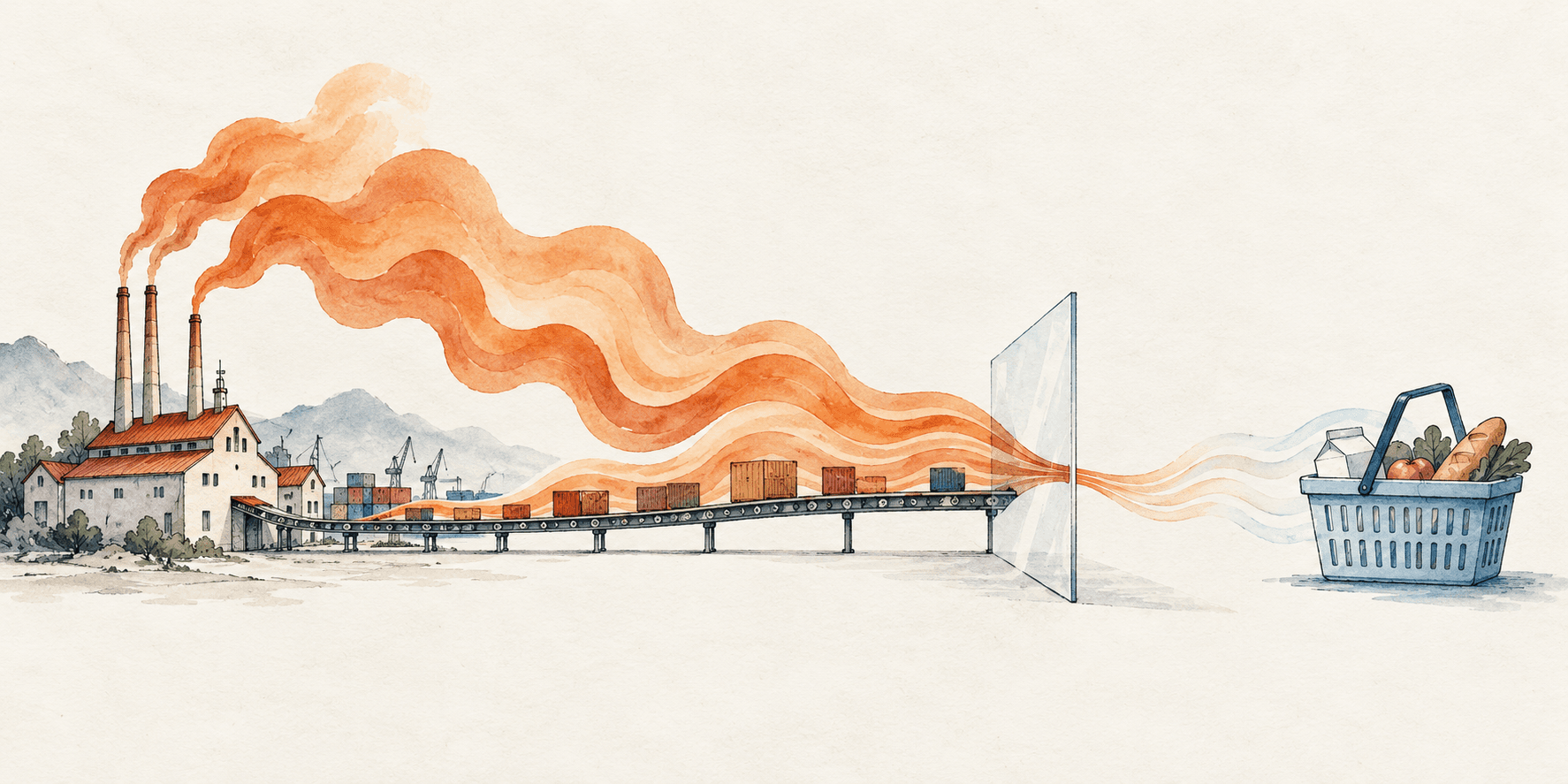
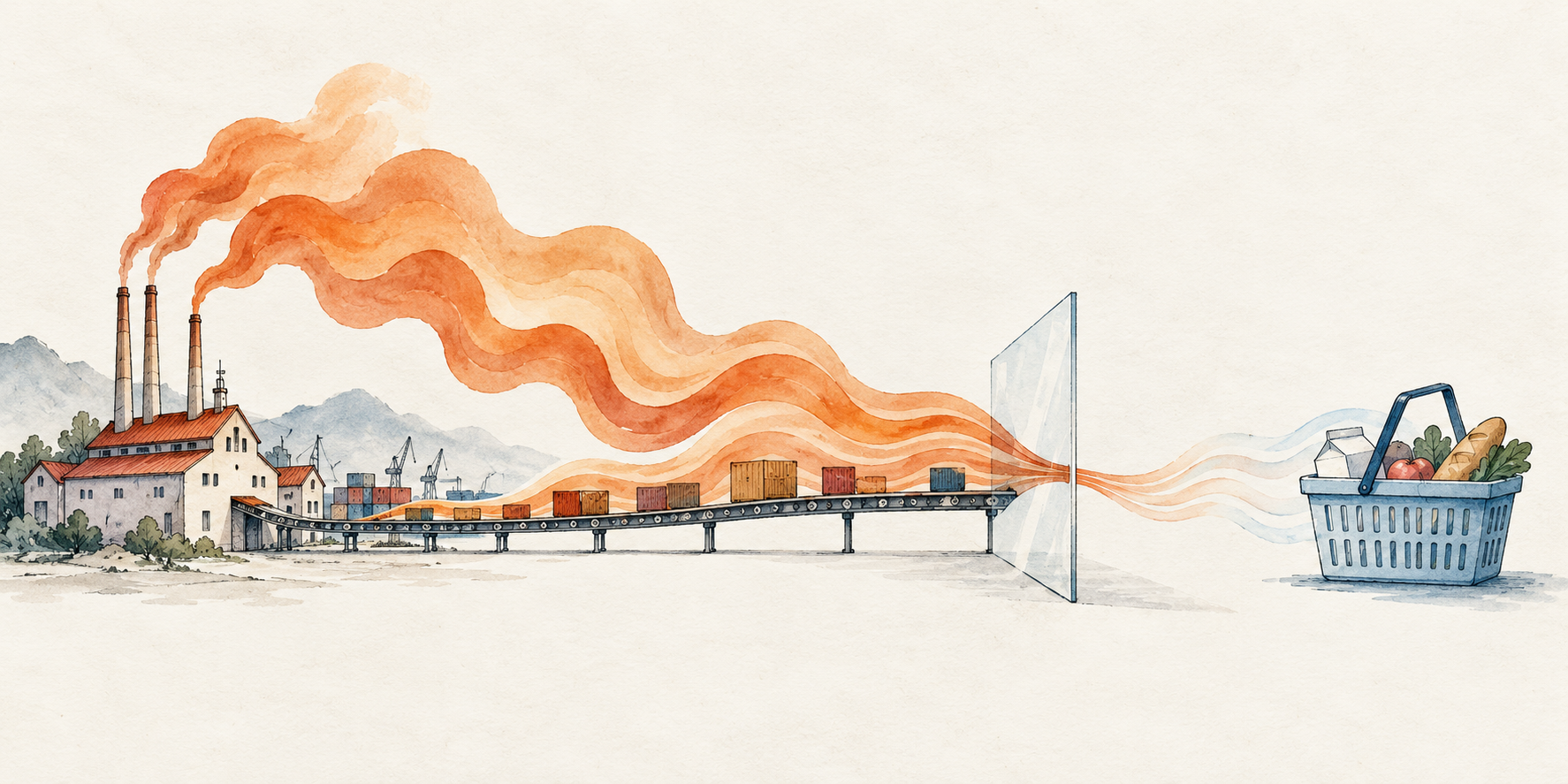
For investors, the inflation impulse is not simply a demand story. It is a cost-push problem arriving while household budgets remain sensitive and store visits are declining. If retailers pass costs through, they risk weaker volumes. If they absorb them, margins take the hit. Neither path is comfortable for earnings expectations.
Energy remains a key swing factor. Retailers are exposed directly through store electricity and heating bills, and indirectly through supplier costs, food processing, transport and packaging. European gas-market pressure and UK energy-bill concerns have re-emerged as risks heading into winter, reinforcing the cost-inflation channel facing the sector.6
The broader macro backdrop is also becoming less supportive. Reports ahead of the Budget have highlighted Healey’s warning that geopolitical energy shocks are lifting inflation, weighing on growth and pushing up borrowing costs.57 That combination narrows the government’s room to provide broad-based support, even as business groups argue that relief is needed to prevent further pressure on high streets.
Retailers’ policy priorities are likely to cluster around three areas. First, business rates remain a structural cost for store-heavy operators, particularly those with large physical estates and a lower online mix. Second, employer NICs affect labour-intensive retailers with large store and distribution workforces. Third, energy-cost measures could help smooth the pass-through from wholesale volatility to retail operating expenses.2
The Treasury’s challenge is that all three measures carry fiscal costs. A Budget already framed as “tough” because of inflation, borrowing costs and weak growth may deliver only targeted relief rather than a broad reset of retail taxation.712 Investors would then have to assess which companies have the scale, pricing power and balance-sheet flexibility to cope without meaningful policy support.
The main investment distinction is between retailers that can defend gross margin and those that cannot. Food retailers may benefit from more frequent customer traffic and a greater ability to pass through some cost increases, but they remain exposed to politically sensitive grocery inflation. Discretionary retailers face a tougher trade-off, especially if consumers cut visits and delay big-ticket purchases.
For retail landlords, the August footfall decline adds to concerns about tenant affordability and vacancy risk, although prime locations and convenience-led assets may remain more resilient than weaker high-street sites. For macro investors, the retail data add to evidence that UK inflation risks are not fading quickly, complicating the policy mix before the Budget and the Bank of England’s autumn decisions.
The near-term sector call is therefore less about whether UK retail is in outright distress and more about operating leverage. Falling footfall reduces revenue opportunities. Rising shop prices signal cost pressure. Uncertain fiscal support leaves margins exposed. Unless October’s Budget delivers material relief, retailers may have to manage the winter with weaker traffic, higher input costs and limited scope to protect both volumes and profitability.





Comments