Lovell appointment puts British Steel turnaround in Westminster spotlight

Inverted pyramid
A news-writing structure that puts the most important facts at the top, followed by context and detail.
Statutory instrument
A form of secondary legislation used to make detailed legal changes under powers granted by an Act of Parliament.
Praying time
The period during which MPs or peers can seek to annul certain negative statutory instruments.
Commercially and environmentally sustainable
Government shorthand for a business model that can survive financially while meeting environmental and decarbonisation expectations.
GOV.UK / Department for Business, Innovation, Science and Trade
government
Alan Lovell appointed Chair of British Steel
UK Parliament – Written Questions and Answers
government
British Steel: Capital Investment
UK Parliament – House of Lords Business
government
Statutory Instruments in Progress for 11 September 2026
New chair
Alan Lovell will become chair of British Steel on 14 September after being appointed by Business Secretary Jonathan Reynolds.
Board mandate
Ministers say the new board will develop a plan for a commercially and environmentally sustainable British Steel.
Taxpayer test
Parliamentary scrutiny is expected to focus on public support, possible private-sector partnerships and value for taxpayers.
Business Secretary Jonathan Reynolds has appointed Alan Lovell as chair of British Steel, putting new board leadership at the centre of the government’s effort to stabilise and reshape the steelmaker after state intervention.1
Lovell, the former Costain chief executive, is due to take up the role on Monday 14 September. According to the Department for Business, Innovation, Science and Trade, he has been given a mandate to lead the board in stabilising and transforming the company, supporting its long-term future and delivering strategic priorities.1
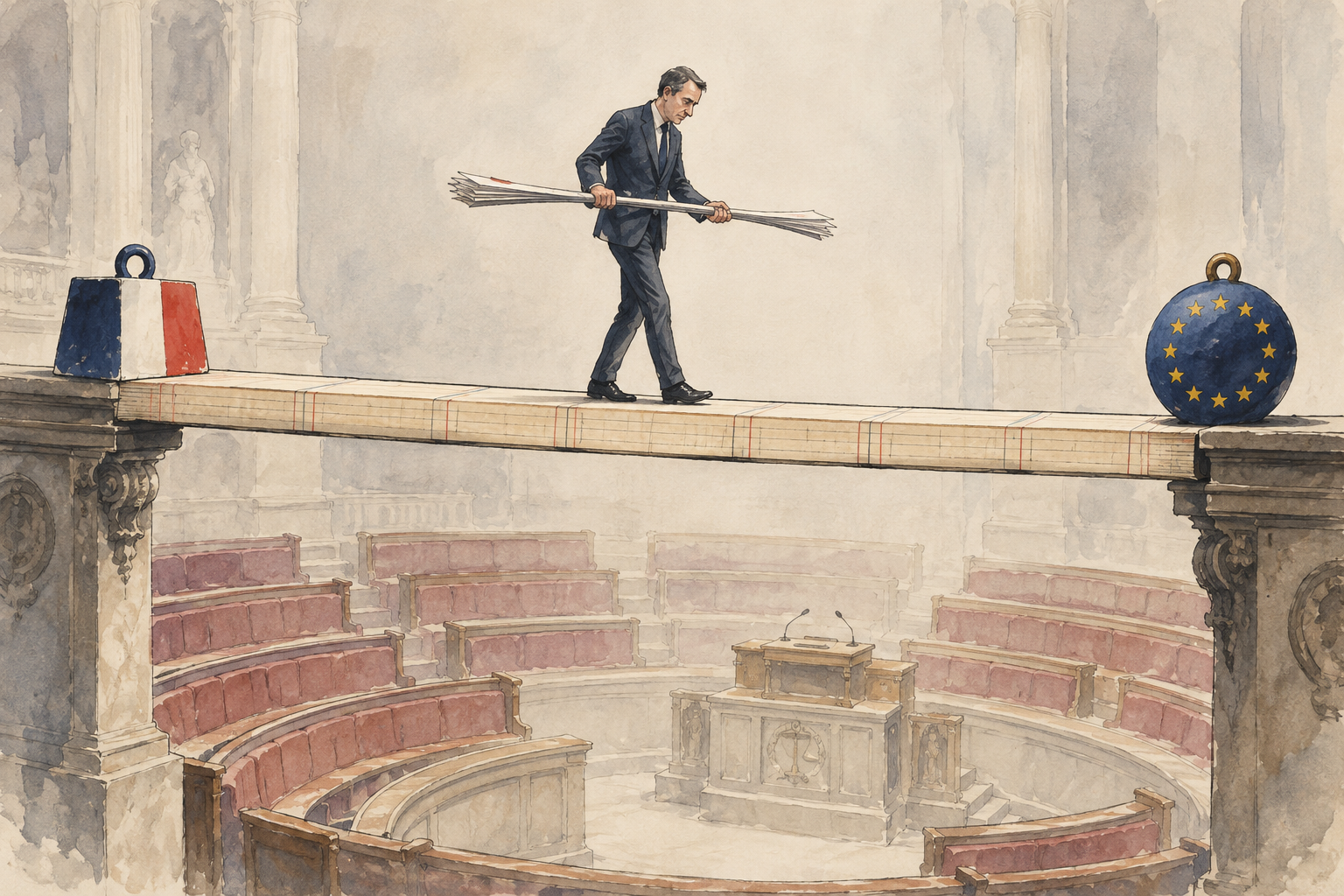
The appointment shifts the political focus from emergency intervention to governance. Ministers now have a named chair through whom they can pursue a turnaround strategy, but also a clearer line of accountability for decisions on public funding, private-sector partnerships and British Steel’s future industrial footprint.
The government told Parliament on 11 September that British Steel’s new board will develop a plan to turn the company into a commercially and environmentally sustainable steelmaking enterprise. Ministers said they would consider the board’s proposals in due course, including possible private-sector partnerships, and that securing value for taxpayers would remain a key priority.2
Reynolds framed Lovell’s appointment as part of a wider industrial-policy intervention. He said the government stepped in not only to protect one company, but also to support industries, skills and communities central to Britain’s reindustrialisation.1
That language suggests ministers want the new board to serve two purposes at once: make British Steel financially viable and preserve strategic steelmaking capability in the UK.
Lovell brings experience across infrastructure, construction, energy and financial services. His executive career included chief executive roles at six companies, including Infinis, Tamar Energy and Costain Group. He has also held senior non-executive roles, including chair of Interserve Group and positions with Lloyd’s of London, SIG and the Consumer Council for Water.1
Lovell has chaired the Environment Agency since September 2022 and is expected to step down from that post at the end of December 2026.1
Steel-sector coverage of the appointment highlighted the government’s emphasis on Lovell’s turnaround credentials and on British Steel’s strategic importance to defence, infrastructure and construction.5 Lovell said the company’s steel is vital to those sectors and that the board would focus on building a sustainable business for employees, customers, suppliers and wider supply chains.1
The appointment follows British Steel’s transition into public ownership and earlier government action to take operational control from Jingye Group, the company’s former Chinese owner, according to a Sky News report syndicated by Horizon Radio.4 The report said the company remains in a dispute with Jingye, which is seeking as much as £1 billion in compensation unless a settlement is reached.4
The same report said taxpayers have spent more than £650 million over the past 18 months subsidising British Steel and Speciality Steel UK, and that ministers may run a process to return British Steel to private ownership at some point next year.4
Those figures and the possible sale timing were not included in the formal government appointment notice, but they underline the scale of parliamentary interest likely to follow the board’s work.
For Westminster, the key question is whether Lovell’s board can produce a plan that reconciles three potentially competing objectives: keeping steelmaking capacity and jobs in place, reducing the environmental impact of production, and limiting the long-term call on public money.
Parliamentary scrutiny is already visible. A written answer published on 11 September, responding to a question from Conservative MP Andrew Snowden on the capital investment required to make British Steel commercially sustainable, said the new board would develop the transformation plan and that taxpayer value would be central to ministerial decisions.2
The House of Lords business paper for the same date also listed British Steel-related property transfer regulations among statutory instruments in progress.
The Modification of the Law (British Steel Limited Property Transfer) Regulations 2026 was listed as an affirmative instrument, with special attention drawn to it by the Secondary Legislation Scrutiny Committee and an approval-period deadline of 23 October.3 The British Steel Limited Property Transfer Regulations 2026 was listed among negative instruments, also with special attention drawn, with praying time ending on 26 October.3
Those procedural entries matter because they give MPs and peers routes to question the legal architecture of the intervention, not just the commercial plan. Legislators may press ministers on what assets or liabilities are being transferred, how risks are allocated, how public support is approved, and what reporting obligations will apply to the new board.
Ministers have repeatedly tied the intervention to workers, communities and supply chains. Reynolds said Lovell would work closely with the workforce, the board and local communities as the company enters its next phase.1
A follow-up report by London Globe said the appointment was intended to guide British Steel through a transformative period while supporting stability and long-term strategic objectives.6
That framing is likely to shape scrutiny from MPs representing steel communities, unions and industrial regions. They are expected to seek assurances on jobs, blast furnace operations, investment timelines, decarbonisation options and procurement opportunities for UK-made steel.
The immediate political checkpoint is Lovell’s arrival on 14 September. The larger test will come when the board presents its transformation plan and ministers decide how much public money, private capital and policy support they are prepared to put behind it.





Comments