China-PNG anniversary signals Pacific positioning before APEC
October 12, 2026
Xi Jinping and Papua New Guinea Governor-General Bob Dadae exchanged messages on October 12 marking 50 years of diplomatic relations, with Beijing using the anniversary to press for an upgraded strategic partnership. The moment highlights Port Moresby’s effort to court China while preserving room to maneuver among the United States, Australia and other Pacific powers.

4m

World
5m
North Korean missile launch tests Seoul-Tokyo-Washington coordination
North Korea fired multiple ballistic missiles toward its eastern waters on October 12, prompting coordinated tracking and condemnation by South Korea and Japan while China declined to add public pressure on Pyongyang. The episode highlights how alliance channels are tightening even as Beijing’s restrained posture limits a wider regional consensus.

World
5m
China sanctions Belize, Paraguay ministers over Taiwan ties
China imposed entry bans, asset freezes and transaction restrictions on senior officials from Belize and Paraguay on October 12, targeting two of Taiwan’s remaining diplomatic partners. The move signals a sharper use of targeted diplomatic penalties alongside Beijing’s more familiar military and political pressure on Taipei.
World
7m
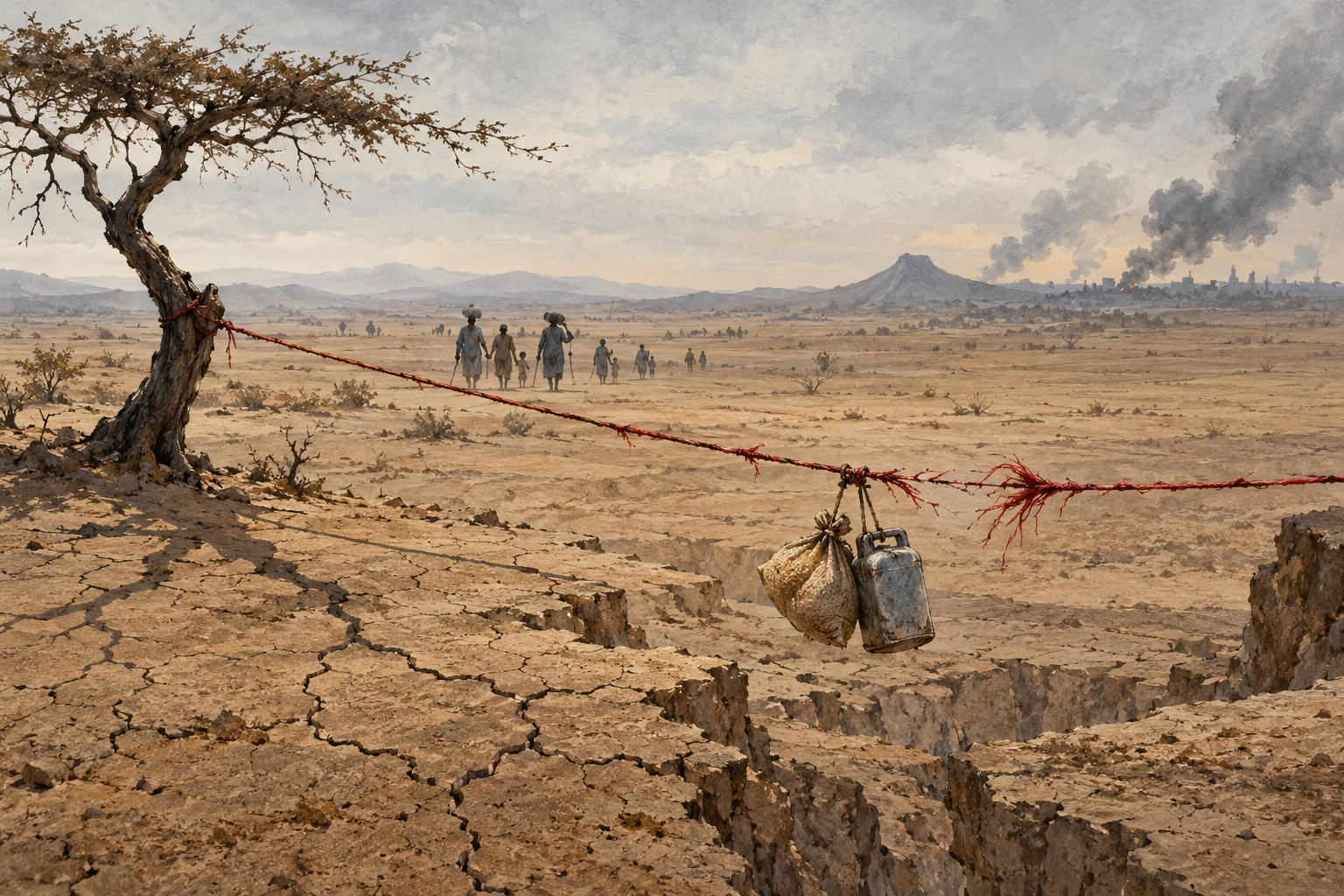
Sudan famine risk grows as violence strains fragile aid routes
A new food-security alert warns that parts of Darfur and Kordofan face a growing risk of famine as conflict, drought and funding shortages erode civilian survival systems. The warning comes after deadly strikes in Blue Nile and South Kordofan underscored how expanding violence is killing displaced people and threatening aid deliveries.
Tigray fighting revives Red Sea and Nile tensions
October 12, 2026
Renewed fighting in northern Ethiopia has moved beyond a domestic contest over Tigray, drawing in claims of Eritrean incursions, Ethiopian self-defense at the United Nations and a new alignment among Egypt, Eritrea, Sudan and Somalia. The escalation is testing the 2022 peace settlement and reviving disputes over Red Sea access, Nile water politics and regional security.

8m
World
8m
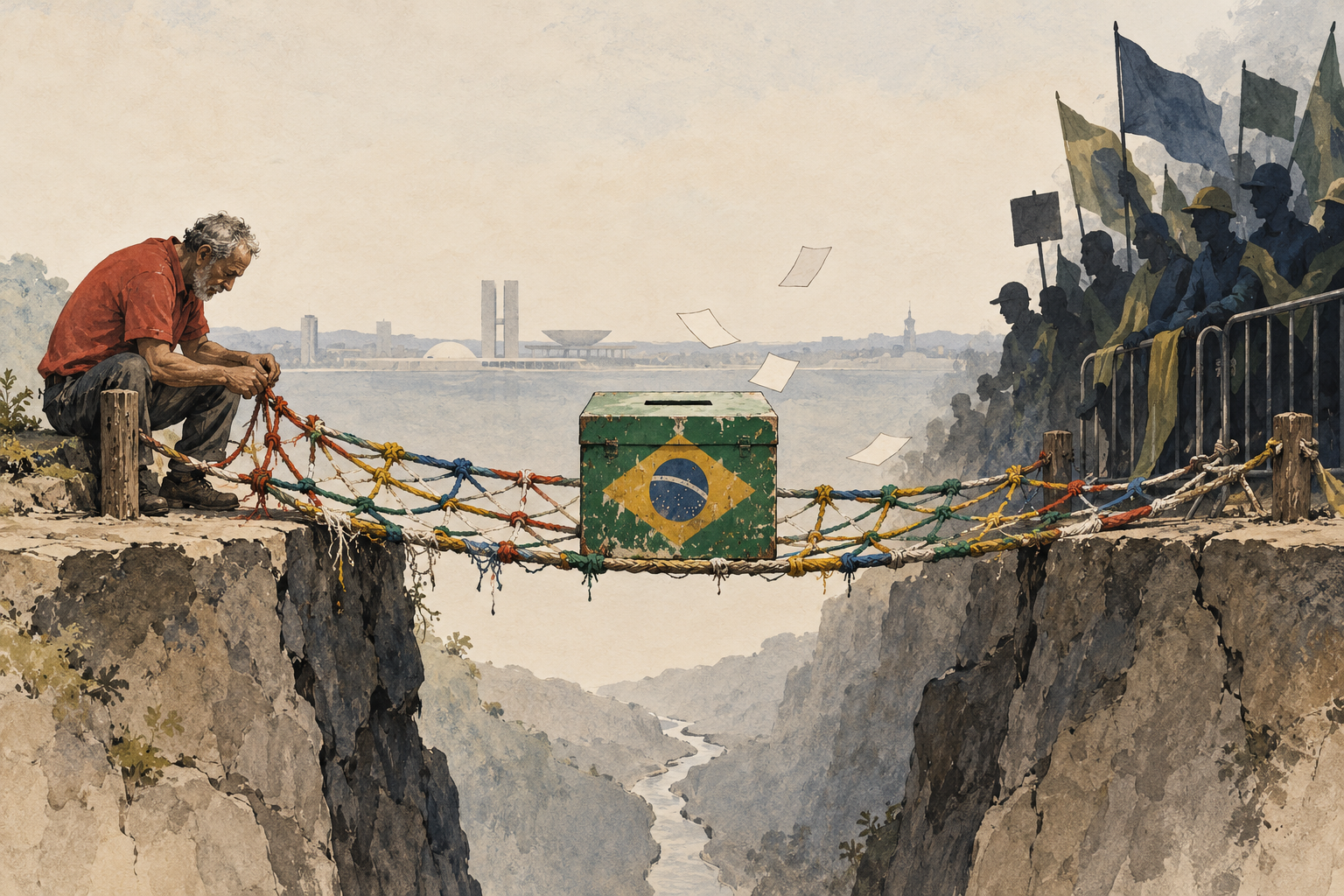
Brazil runoff tests Lula’s bid to rebuild democratic front
Brazil’s October 25 presidential runoff has become a compressed contest over turnout, right-wing consolidation, street pressure and trust in election rules. After Flávio Bolsonaro led the first round, Lula is racing to reassemble a broad anti-Bolsonaro coalition in a country whose Congress and electorate have shifted right.

World
7m
Riyadh airport strike exposes gaps in Saudi air defenses, raises pressure on Washington
Saudi Arabia is investigating how a Houthi barrage of drones, cruise missiles and ballistic missiles reached King Khalid International Airport, killing at least 13 people and wounding more than 300. The attack has turned a long-running cross-border campaign into a strategic test of Gulf missile defenses and U.S. appetite for deeper involvement.

World
6m
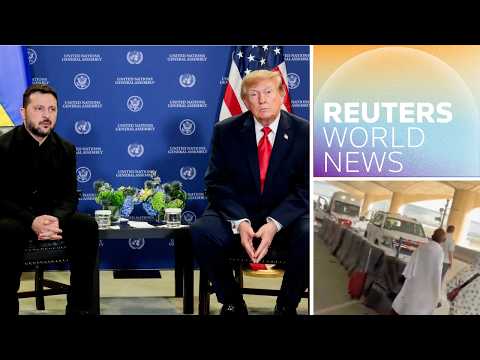
Trump’s Ukraine Energy Ceasefire Claim Faces Early Test as Russia Keeps Striking
President Volodymyr Zelenskyy says Russia continued hitting Ukrainian energy facilities after President Donald Trump claimed Moscow and Kyiv had agreed to pause attacks on each other’s energy infrastructure. Kyiv has signaled conditional compliance, while Moscow has not clearly confirmed the arrangement.
Today's Sift-ten
See allVideo coverage of today's biggest stories, from across the spectrum.


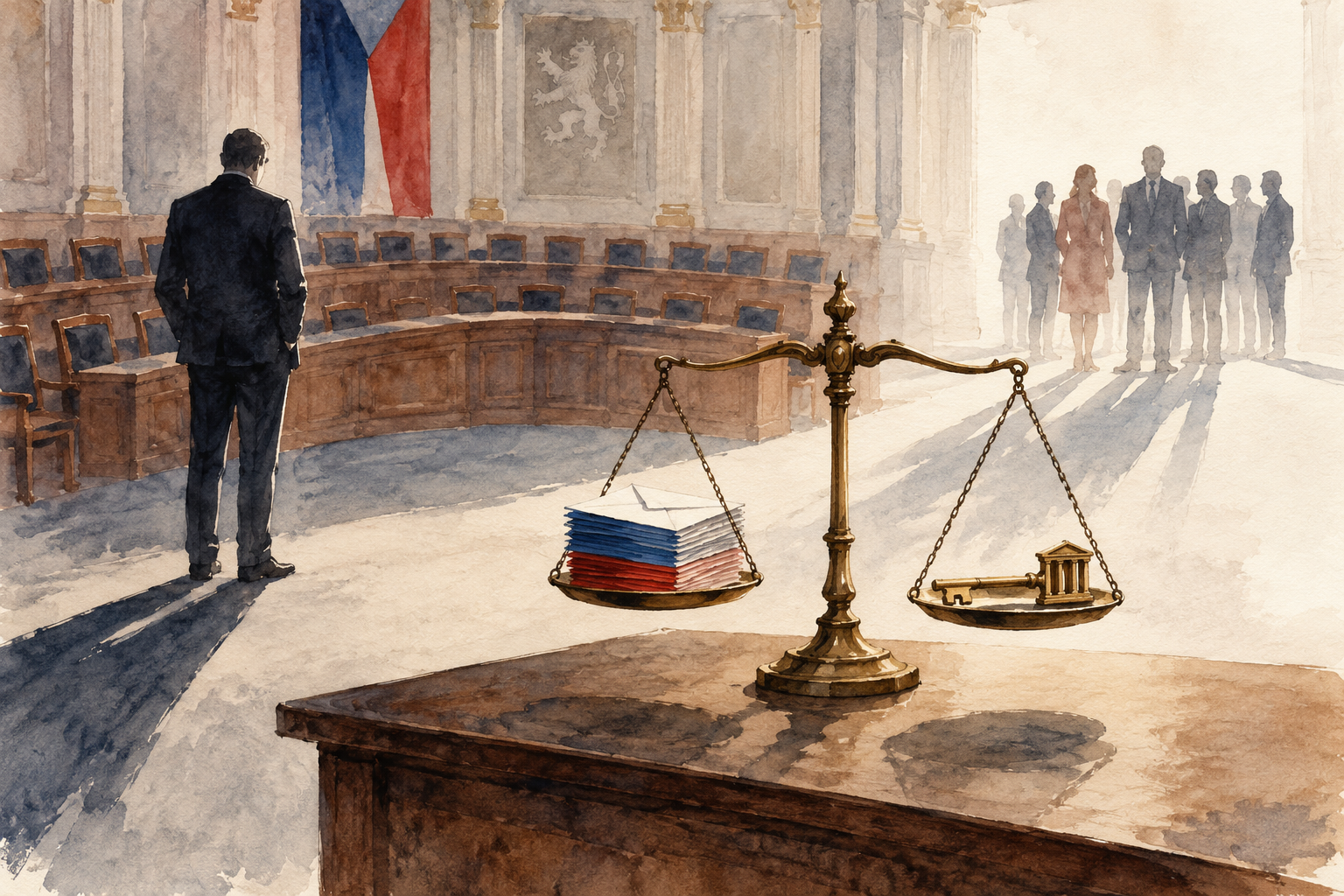
Czech Senate runoffs test opposition’s hold on checks against Babiš
October 12, 2026
Final first-round results from the October 9-10 Czech Senate and local elections put Prime Minister Andrej Babiš’s ANO ahead by individual runoff appearances, but pro-Western opposition parties and allied groups collectively advanced twice as many candidates. The October 16-17 runoffs will help determine whether the opposition can preserve its Senate leverage over constitutional changes and Constitutional Court appointments.
5m

World
6m
EU’s €115 million AGILE fund tests faster defence procurement for emerging-tech suppliers
The Council has formally adopted AGILE, a €115 million defence-innovation instrument aimed at moving SMEs, start-ups and scale-ups more quickly from prototype to operational use. Its four-month grant timetable, testing access and simplified procurement provisions make the small programme a political test case for the EU’s wider defence-readiness push ahead of this week’s European Council.

Finance
7m
SpaceX Spectrum Deal Tests European Telecoms’ Defensive Case
A U.S. spectrum acquisition is being priced as more than an American wireless story: European telecom investors are reassessing whether mobile cash flows remain as durable as sector valuations and dividends imply. The immediate selloff may prove excessive, but the valuation debate has shifted from coverage novelty to competitive optionality.

Finance
9m
India’s Rupee Defense Turns Oil Shock Into EM Dollar-Liquidity Warning
The Reserve Bank of India’s decision to steer state oil companies’ dollar purchases away from the spot market is more than a rupee-support tactic. It shows how high oil prices, a strong dollar and capital outflows can push emerging-market central banks toward crisis-style balance-of-payments management.
UK August GDP Puts the Growth Trade’s Credibility on Trial
October 12, 2026
The ONS will publish August GDP and the main activity breakdowns at 7:00am on 15 October, giving investors a cleaner test of whether UK growth is still being led by broad services momentum or flattered by revisions. Sterling, domestically exposed equities and Bank of England pricing are likely to react less to the headline than to the mix beneath it.

7m

Finance
8m
UK card defaults expose early strain on household balance sheets
The Bank of England’s Q3 Credit Conditions Survey shows unsecured credit stress rising even before headline spending has fully weakened. That points to a consumer sector absorbing higher rates and living costs through deteriorating household balance sheets, with implications for banks, retailers and the Bank of England’s policy trade-off.

Finance
6m
Airtel Money gives London a rare fintech win, but not yet an IPO-market turnround
Airtel Money’s London debut is a sizeable boost for the Main Market, but its secondary-sale structure, discounted valuation and muted early trading make it a narrow test of investor appetite rather than proof of a broader issuance revival.

Business
7m
Musk turns Starlink’s India pricing into a test of Jio’s IPO story
Elon Musk’s pledge to make Starlink affordable in India is more than a market-entry promise: it is a direct challenge to Reliance Jio’s low-cost dominance just as Jio Platforms courts public-market investors. The confrontation puts pricing, regulatory access and rural connectivity at the center of India’s next telecom contest.