Europe’s Gas Shock Could Hit Earnings Before the Economy

TTF
Title Transfer Facility, the Dutch gas trading hub widely used as Europe’s benchmark natural gas price.
Cyclicals
Companies whose earnings are highly sensitive to economic growth, consumer spending or industrial production, such as autos, travel and chemicals.
Earnings upgrade story
A market narrative in which analysts are raising profit forecasts, often supporting share prices and valuations.
Defensive stocks
Shares in sectors such as healthcare or consumer staples that tend to have steadier demand during economic slowdowns.
Gas Above €80
European natural gas prices have moved above €80/MWh, creating renewed pressure on equity sectors with high cost or demand sensitivity.
Cyclicals Exposed
Citi identified autos, chemicals, travel and leisure, and banks as among the sectors most vulnerable to a gas-price shock.
Hedges Diverge
Energy producers, utilities, LNG-linked names, defensives and some growth stocks may prove more resilient or benefit from the repricing.
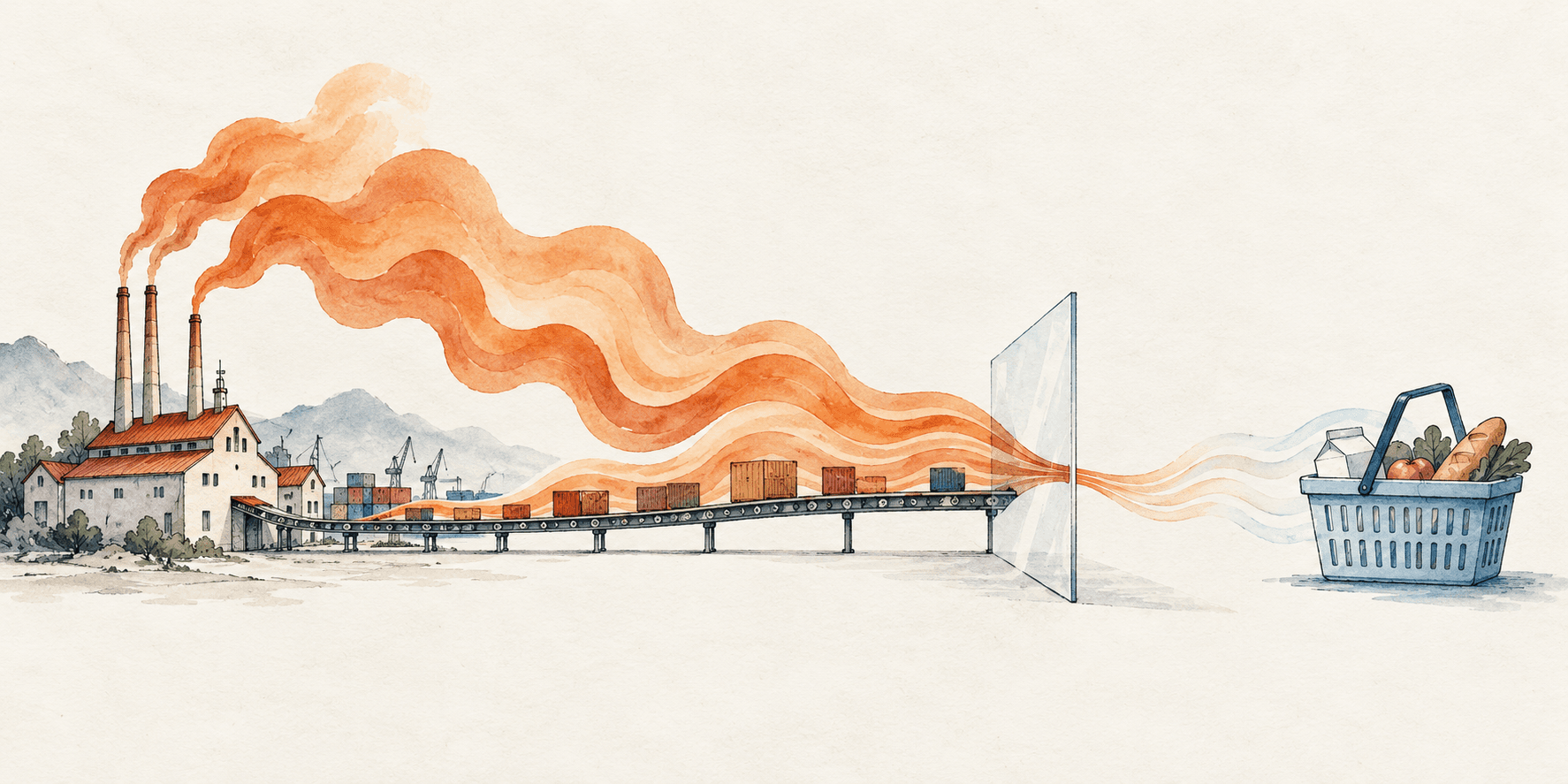
European equities face a renewed gas-price test that could squeeze earnings in cyclical sectors before it becomes a full macro crisis. Natural gas prices have moved above €80/MWh, and Citi warns the equity impact will be uneven: autos, chemicals, travel and leisure, and banks look most vulnerable, while commodity-linked groups, defensive stocks and some growth names may fare better.1
The setup matters because Europe’s equity story has recently rested on earnings upgrades, margin improvement and a softer-landing narrative. Higher gas prices do not need to repeat the 2022 energy shock to damage that story. If input costs rise, consumers retrench and real rates remain restrictive, the first casualties are likely to be companies whose profits depend on industrial volumes, discretionary spending or credit quality.
Citi’s broader framing suggests investors are already pricing a severe winter gas scenario. The bank cited winter TTF pricing around €81/MWh, versus its own probability-weighted estimate of about €61/MWh.2 That gap implies two things at once: the market may be overestimating average winter price risk, but if prices stay near current levels, equity investors still need to separate direct beneficiaries of the energy shock from sectors with exposed margins.
Autos are vulnerable because they combine energy-intensive supply chains with highly cyclical demand. European carmakers and parts suppliers do not simply face higher utility bills. They also face second-round effects through metals, chemicals, logistics and supplier costs. If household energy expenses rise, discretionary big-ticket purchases can be delayed, adding demand risk to cost inflation.
Chemicals face a more direct margin problem. Gas is both an energy input and, in some chemical processes, a feedstock. That leaves the sector exposed to higher production costs and weaker competitiveness against regions with cheaper energy. BASF, one of Europe’s largest chemicals groups, is a useful bellwether for investors tracking the sector’s sensitivity to higher gas costs.12
Travel and leisure are exposed through consumer spending and fuel-linked operating costs. Airlines, hotels, tour operators and leisure platforms may not all consume natural gas directly at the same intensity, but they are sensitive to real disposable income. A gas-driven inflation impulse can quickly become a demand problem if households reallocate spending toward heating and essentials.
Banks are a less obvious but important part of the vulnerability map. Higher energy prices can initially support net interest income if inflation keeps policy tight, but the negative channel is credit quality. Slower growth, pressure on small businesses and weaker consumer spending can raise loan-loss risks. Citi’s sector list includes banks among the vulnerable groups, underlining that the gas shock is not just an industrial cost issue.1
The clearest potential beneficiaries are energy producers and commodity-linked equities. Higher gas and oil prices can support cash flow for integrated majors with upstream exposure, even if refining, chemicals or retail units complicate the read-through. Shell, TotalEnergies and Exxon Mobil are among the large listed names investors commonly use to monitor or express energy-price exposure.91011
Utilities and LNG-linked companies sit in a more nuanced position. Citi’s separate risk note identified utilities and LNG importers as potential beneficiaries if gas prices revert from market-implied winter levels toward the bank’s lower probability-weighted estimate.2 That reflects a different trade from simply buying the energy shock: companies exposed to normalization can gain if the market has overpaid for scarcity risk.
Defensive sectors also become more attractive in this environment. Healthcare, staples and quality growth names tend to have steadier demand, stronger pricing power or less direct exposure to industrial gas costs. They may not benefit from high gas prices the way upstream energy producers do, but they can protect portfolios if the shock hits margins and earnings revisions in cyclicals.
The key risk for equity investors is that energy inflation complicates the policy backdrop. European Central Bank President Christine Lagarde warned that the eurozone inflation shock could last longer, with higher rates and weaker growth risks tied to the energy fallout from the Iran-war shock.5 For equities, that combination is uncomfortable: higher discount rates weigh on valuations, while slower growth pressures earnings.
That is why the gas-price move matters even if Europe is less fragile than it was in 2022. Storage, sourcing and corporate hedging have improved since the peak crisis period, but the earnings channel remains open. A price level above €80/MWh is high enough to force analysts to revisit assumptions on margins, consumer demand and financing conditions.
The supply backdrop also remains sensitive to geopolitical and shipping risks. Investing.com’s Australia news page showed the gas-stock story alongside a Reuters report on a Strait of Hormuz shipping attack, reinforcing the connection between geopolitical disruption and European energy pricing.8
For European equity investors, the practical question is not whether gas prices alone can recreate 2022. It is whether the market has become too comfortable with earnings resilience. If gas remains elevated, the first downgrade risk is likely to concentrate in autos, chemicals, travel and banks. These sectors are exposed to input-cost pressure, weaker demand or deteriorating credit conditions.
By contrast, energy producers, selected LNG-linked exposures, utilities and defensive growth names offer either direct commodity leverage or relative earnings stability. Citi’s analysis, carried by Investing.com and syndicated by Yahoo Finance, points to this uneven sector impact rather than a uniform market shock.14
The conclusion is balanced but cautionary. Europe may be structurally better prepared than it was during the 2022 crisis, and Citi’s own winter TTF estimate is below current market pricing.2 But equity earnings do not need a crisis to roll over. Sustained gas prices above €80/MWh could be enough to reverse the region’s upgrade momentum, starting with the cyclicals investors have relied on for operating leverage.





Comments